
Fiber-Rich Indian Staples
Lentils and pulses as the core of a fiber-rich diet
Fibers weave through our plates like a quiet spell, and I can feel the whisper in every bite. In kitchens across South Africa and India, fiber isn’t an afterthought—it’s the backbone of energy and balance. Lentils and pulses step in, ready to steady blood sugar and fuel long days.
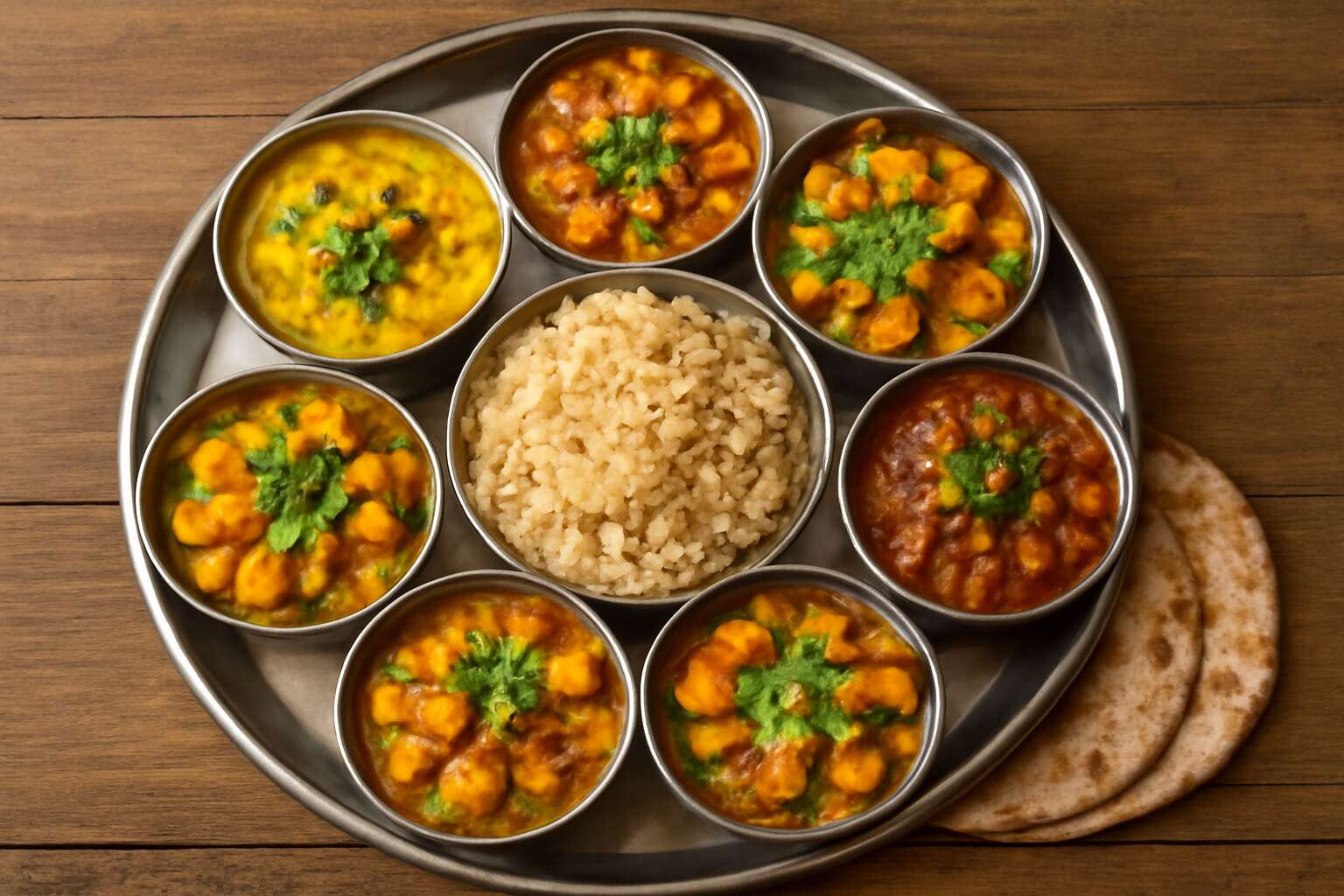
Lentils and pulses form the core of a fiber-rich diet, offering both texture and depth. When simmered into curries, they release flavor while delivering steady fiber. Indian staples like masoor dal, moong dal, toor dal, and chana dal are not only hearty; they’re practical, approachable sources of nourishment. This is a cornerstone of indian food with high fiber.
- Masoor dal (pink lentils)
- Moong dal (green gram)
- Toor dal (pigeon peas)
- Chana dal (split chickpeas)
- Chickpeas and other pulses
Together, they weave a pantry that feels ancient and modern at once.
Whole grains for everyday meals
Across the spice-scented crossroads of South Africa and India, whole grains stand as patient heroes. Experts note that many adults fall short of the recommended daily fiber by roughly 15 grams, and grain-based meals can close that gap without sacrificing flavor. indian food with high fiber becomes a map of texture and light, guiding plates toward steadier energy and richer depth.
Brown basmati, whole-wheat rotis, and a chorus of millets—ragi, jowar, bajra—offer fiber-rich foundations that keep meals lively and nourishing.
- Brown basmati rice
- Whole-wheat flour or chapatis
- Millet varieties: ragi, jowar, bajra
- Oats and barley porridge
From sizzling curries to gentle breakfasts, these grains anchor meals with depth, texture, and lasting energy.
Legumes in Indian curries and sabzis
Fiber powers steady energy, and in SA homes, most adults fall roughly 15 grams short of daily targets. This is a real gap that indian food with high fiber can bridge without sacrificing taste. Curries and sabzis built around sturdy legumes bring texture, aroma, and lasting fullness to the table.
- Chickpeas (chana) in chana masala
- Kidney beans (rajma) in rich rajma curry
- Black-eyed peas (lobia) in spiced sabzi
- Little green gram (moong) or other legumes for variety
These legumes bring fiber, plant protein, and creamy texture to stews.
Textures stay lively as tomatoes, garlic, and warming cumin mingle with chickpeas and rajma. The result is a fiber-rich foundation that travels well from pot to plate in busy South African kitchens.
Fiber from vegetables in Indian cooking
In South African kitchens, the fiber tapestry of Indian cooking glows like a secret constellation, turning humble vegetables into stamina boosters. Emerald greens and sun-warmed roots mingle with cumin and tomato, weaving texture, aroma, and lasting fullness into every spoon. This is indian food with high fiber, where color signals health and flavor stays bold.
- Spinach and fenugreek greens: tender leaves weave fiber into sauces and saags.
- Okra and zucchini: silky bites that add bulk and digestion-friendly texture.
- Cauliflower and cabbage: crisp curves that thicken curries while boosting fiber.
- Carrots and peas: sweet bursts that maintain energy between meals.
- Bottle gourd and gourds: watery flesh that carries flavor while adding fiber.
Together, these vegetables conjure meals that glide from pot to plate, a culinary spell that nourishes without heaviness and keeps pace with the tempo of modern life. For fans of indian food with high fiber, this vegetable-driven approach offers a balanced, vibrant path.
Sprouted and fermented foods for digestive health
Fiber is the quiet architect of digestion, and sprouted pulses and fermented batters prove its design daily. Sprouting moong dal or chana increases accessible fiber and enzyme activity, turning humble legumes into crisp, satisfying bites. This is indian food with high fiber when these sprouts meet a sun-warmed dosa or idli batter. Fermentation, meanwhile, gifts probiotics that smooth transit and nourish gut flora. In South Africa, these sprouts pair with pap and curries, keeping tables balanced and meals light.
Popular sprouted and fermented staples include:
- Moong dal sprouts
- Chana (gram) sprouts
- Idli and dosa batters (fermented rice-urad dal)
- Yogurt and buttermilk-based accompaniments for digestion
Legume-Centric Dishes and How to Maximize Fiber
Chana dal dishes and fiber benefits
Legume-centric dishes braid flavor and fiber like stories in a clay pot. Chana dal stands at the heart of these vibrant curries and hearty dals, its grain releasing a gentle bite of protein and plant fiber. In South African kitchens, this indian food with high fiber tradition rides on garam masala and bright coriander, turning simple bowls into nourishment with staying power.
- Soak chana dal overnight and rinse well to soften hulls and unlock fiber.
- Simmer in the soaking water or with ample liquid to preserve all fiber-rich goodness.
- Slide in chopped leafy greens (spinach, kale) or other vegetables to boost the meal’s fiber per serving.
Beyond texture, the fiber from chana dal supports digestion and heart health, delivering lasting energy without heaviness. For South African tables, these legume-rich dishes offer a comforting bridge between familiar curries and everyday wellness.
Rajma and other kidney beans variants
Rajma, the beloved kidney bean, anchors legume-forward feasts from Cape Town kitchens to rural Mpumalanga farms. When simmered into a velvety curry, its fiber and protein deliver lasting fullness that pairs beautifully with rice or sadza. In this thread of indian food with high fiber, Rajma becomes a comforting bridge between tradition and wellness.
To maximize fiber in rajma and other kidney bean variants, the key is patient cooking that respects the beans’ texture and generous greens. Leafy additions—spinach, kale, or amaranth—bring color and a fiber-rich finish, turning a humble curry into a nourishing staple.
I’ve watched families share bowls that sustain them through long days, a small ceremony of nourishment and endurance.
Moong dal and split lentils preparations
Across South Africa, kitchens—from Cape Town’s coast to Mpumalanga’s plains—legumes sustain families. A recent survey shows 1 in 4 households rely on beans and lentils for daily energy. Moong dal and split lentils offer a gentle fiber lift, turning simple curry into indian food with high fiber.
To maximize fiber in moong dal and split lentils, soak overnight, rinse, and cook with the soaking water. Add greens—spinach, kale, or amaranth—in the last minutes. A tomato-onion base and whole spices keep texture; finish with lemon and coriander.
In practice, a moong dal curry becomes a canvas for patience and shared meals. The warm aroma, soft greens, and sturdy lentils offer nourishment that travels beyond the plate into family life.
Chickpeas in snacks and salads
Across South Africa, one in four households lean on legumes for daily energy, and chickpeas rise as a crunchy, fiber-forward hero. This is indian food with high fiber at its heart, weaving North Indian warmth with Cape Town light and coastal spice.
Chefs speak of soaking and slow simmering as rites that liberate fiber from chickpeas, while snacks and salads showcase the legumes’ versatility with tomatoes, cucumbers, spinach, lemon, and coriander to keep texture and brightness.
- Roasted chickpeas with paprika and cumin
- Chickpea-tomato salad with fresh herbs
- Masala hummus on cucumber rounds
I love how these legume-centered snacks turn fiber into a festive ritual, inviting curiosity at every bite!
Lentil-based soups and stews to boost fiber
A bowl of legume-forward Indian cooking can deliver a surprising fiber lift—indian food with high fiber at its heart, weaving North Indian warmth with coastal spice. In South African kitchens, lentils rise as textural champions in curries and stews, offering hearty substance with every bite.
Legume-Centric Dishes and How to Maximize Fiber reveal how lentil-based soups and stews become vehicles for fiber, pairing with bright tomatoes, leafy greens, and whole grains. They transform humble pulses into nourishing bowls that linger on the palate and in the imagination.
- Lentil-based soups
- Beans in hearty stews
Whole Grains and Fiber in Indian Cuisine
Brown rice alternatives for fiber and texture
Fiber is the quiet architect of Indian meals, turning humble grains into nourishing stories. In Indian cuisine, whole grains fortify flavor and gut health, a pattern South African kitchens are embracing for everyday meals.
Brown rice alternatives for fiber and texture transform meals from routine to resonant:
- jowar (sorghum)
- bajra (pearl millet)
- ragi (finger millet)
- barley
These grains soak up spice, balance richness, and invite deeper, slower enjoyment—this is indian food with high fiber that resonates with South African palates.
Millets such as bajra, jowar, and ragi
South African kitchens crave flavor that carries fiber without shouting. Millets—bajra, jowar, and ragi—offer a trio of grit and grace, a textured bridge between spice and satisfaction. They transform humble meals into small epic stories of nourishment and resilience.
In Indian kitchens, these grains soak up spice and balance richness, a quiet harmony at the heart of indian food with high fiber. Use them as roti, porridge, or pilaf to anchor curries and salads with robust texture.
- Bajra roti with fiery tempering
- Jowar bhakri folded with greens
- Ragi mudde crowned with vegetables
Each bite reframes nourishment as art—an edible ode to health and heritage, a living reminder that indian food with high fiber can travel far and land softly on South African tables.
Oats in Indian breakfasts and snacks
Across South Africa, fiber-forward mornings are rewriting the dawn with oats as quiet heroes. “Fiber is flavor’s quiet compass,” a chef I trust often reminds me, and the sentiment lands in every simmering pot.
In Indian cuisine, oats mingle with cumin, coriander, and coconut to anchor breakfasts or snacks, offering texture from gentle chew to creamy porridge while carrying the promise of lasting energy.
Here are oat-forward options that travel well to South African tables:
- Oats upma with vegetables
- Oats dosa or chilla
- Oats khichdi-inspired porridge
- Oats and yogurt bowls with fruit
Tasting this approach reveals how indian food with high fiber can be elegant, portable nourishment steeped in heritage. The oats’ gentle chew travels easily from bustling kitchens to sunlit tables, keeping mornings bright and bodies steady.
Roti variants: multigrain, whole wheat, and millet-based breads
Two in five South African households are swapping refined flour for fiber-rich breads, and roti is leading the morning charge. That shift isn’t just trend; it’s practical, portable nourishment.
With whole grains, roti becomes a passport to texture and nutrition. Multigrain roti blends wheat with pulses and bran for a hearty bite; whole wheat roti keeps more bran and germ for slow energy release; millet-based breads—bajra, jowar, ragi—deliver minerals and a pleasantly nutty chew. This is quintessential indian food with high fiber, ready to travel to SA tables.
- Multigrain roti
- Whole wheat roti
- Millet-based roti (bajra, jowar, ragi)
Pair these roti variants with curries, greens, and dal for a fiber-forward plate that travels.
Vegetables, Fruits, and Fermented Foods for Fiber
Leafy greens and quick stir-fries for fiber
Fiber isn’t a luxury—it’s the secret sauce for a happy gut, and South Africa’s kitchens are waking up to it. Vegetables, fruits, and fermented foods form the backbone of indian food with high fiber, delivering crunch, color, and gut-friendly goodness.
Leafy greens such as palak (spinach), methi, and amaranth are powerhouses. A quick stir-fry with garlic, ginger, and cumin preserves texture and fiber.
- Blanch greens briefly, then finish in a hot pan to preserve fiber and color.
- Pair with chickpeas or paneer for extra bulk and satisfying bite.
- Finish with a squeeze of lemon to lift flavors and nutrient absorption.
Fruits such as guava, papaya, and citrus round out fiber intake. Fermented foods—idli/dosa batter, tangy achar, and other staples—support digestion while adding brightness to meals.
Mix, mash, and move—your plate can swing from quick weeknight bowls to vibrant curries, proving that fiber and Indian flavors travel well from Durban to Johannesburg.
Root and cruciferous vegetables in traditional dishes
Crunch is the quiet hero of a healthy gut, and in our kitchens, root and cruciferous vegetables lead the way. I love how carrot, beet, cauliflower, and cabbage color Indian tables with texture and fiber, turning humble sabzis into nourishment that travels—even to Durban and Johannesburg—in indian food with high fiber.
In traditional dishes, aloo gobi, shalgam sabzi, and mooli ki sabzi showcase that sturdy crunch without sacrificing soul. The kitchen sings when florets meet heat and a whisper of mustard seeds or cumin—delighting the gut while staying soul-satisfying.
- Cauliflower (gobi) in aloo gobi
- Turnip (shalgam) in sabzi
- Radish (mooli) in paratha fillings
- Beetroot in salads and chutneys
Fruits like guava, papaya, and citrus add fiber-friendly sweetness, while fermented staples such as idli/dosa batter and achar keep digestion agile. indian food with high fiber weaves brightness through every bite and keeps plates lively across South Africa.
Fruits that complement fiber-rich meals in Indian cuisine
Vegetables anchor texture and fiber in indian food with high fiber, turning meals into nourishing art. Leafy greens like palak and methi add crunch and iron, while bottle gourd and ridge gourd contribute gentle fiber to curries. Okra slips into bhaji with a sly, silky snap, helping digestion stay steady as spice wakes the palate.
Fruits offer natural sweetness and extra fiber that brighten meals. Seasonal Indian fruits—mangoes, pomegranates, and citrus—pair with yogurt, chutneys, and salads, adding buoyant fibre without overpowering the spice. When sliced and scattered through a rainbow plate, they harmonize with the main course.
Fermented foods bring depth and gut-friendly microbes to the table. Fermented batters and tangy pickles lift meals, turning humble accompaniments into textures that sing. A little bite of sourness keeps digestion agile and the palate curious.
Fermented foods—idli, dosa, and other fermented staples with extra fiber
Across sunlit South African kitchens, fiber wears a quiet, sturdy crown. Globally, many adults miss the 25–38 grams daily, and tired meals show it. Vegetables anchor texture and fiber—palak and methi for crunch and iron, bottle gourd and ridge gourd for gentle bite. Okra adds a sly snap to bhaji, steadying digestion.
- palak (spinach)
- methi (fenugreek greens)
- bhindi (okra)
Fruits bring natural sweetness and buoyant fiber to indian food with high fiber. Seasonal mangoes, pomegranates, and citrus brighten yogurt, chutneys, or salads. Sliced through a rainbow plate, they sing without overpowering spice.
Fermented foods bring depth and gut-friendly microbes. Idli, dosa, and other staples rise with extra fiber when millets or sprouted grains enter the batter. A touch of sourness keeps digestion agile and curious after spice.


0 Comments