
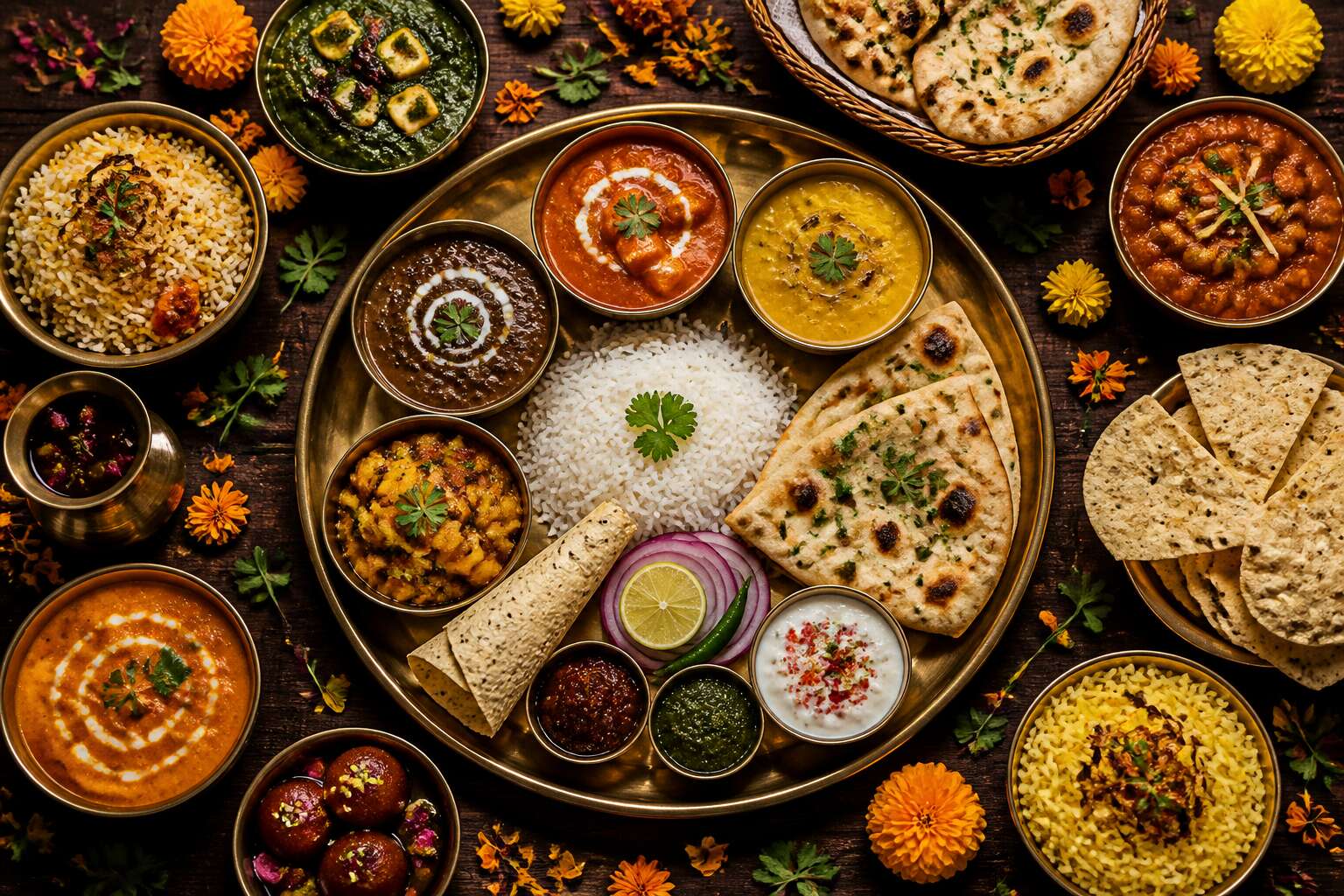
Essential Planning for an Indian Food Party
Choosing the Right Date and Guest List
The proliferation of spice routes has irrevocably altered global palates, and South Africa’s love affair with vibrant cuisine is well documented. Recent food service reports indicate a steady 15% year on year growth in authentic ethnic dining experiences, particularly within the Johannesburg and Cape Town metropoles. This surge confirms that the indian food parys you host are no longer just intimate gatherings; they are cultural events that demand meticulous forethought.
Choosing the correct date is your first strategic move, and it goes beyond simply avoiding a clash with major rugby fixtures. Consider the seasonal ebb and flow of the Cape winter, where a hearty, slow-cooked curry is a blessing, versus the Highveld summer, which calls for lighter, grilled tandoori options that won’t weigh down your guests in the heat. Your calendar should also account for the lunar cycle of religious festivals, such as Diwali, where securing a caterer or specific ingredients like fresh coriander might be more challenging due to high demand.
– Check for school holidays that might pull your core guests away to the coast.
– Align your date with a full moon for an evening that feels inherently more festive.
– Avoid the end of the month when budgets for many are stretched thin.
Once the date is locked, the guest list becomes a delicate exercise in social alchemy. The success of an indian food parys hinges on the dynamic at the table as much as the heat index of the biryani. You must curate a mix of adventurous eaters who welcome the fiery punch of a Phaal and those who prefer the comfort of a mild Butter Chicken. This diversity ensures that the conversation flows as freely as the mango lassi, bridging gaps between different friend groups over a shared, sensory experience. It is this human mosaic that elevates the meal from mere sustenance to a true celebration of community, a living testament to the philosophy of “atithi devo bhava,” where the guest is indeed god. The seating arrangement, therefore, becomes a quiet map of potential connections, placing the spice novice next to the seasoned connoisseur to foster a dialogue of discovery.
Setting a Budget for the Event
Most party budgets are blown on perishables, yet for indian food parys, the real cost hides in the pantry. I have learned this the hard way: a single teaspoon of saffron can cost more than the entire chicken order.
Setting a budget for this cuisine means embracing the art of the spice hierarchy. I use a three-tier system, reserving the largest share for protein and fresh vegetables, a middle tier for whole spices like cardamom and fenugreek, and a final tier for premium staples like ghee and aged basmati.
- Calculate protein at 250 grams per guest, but buy 10% extra for countertop grazing
- Invest in whole spices, they go further and smell richer than pre-ground powders
- Factor in vessel rentals, or simply buy disposable copper-look thalis to elevate the visuals
Maintain a 15% buffer, because Friday lamb prices shift without warning. That cushion is the difference between a relaxed host and a frantic one.
Sourcing Authentic Ingredients Locally or Online
Sourcing authentic ingredients for your indian food parys can feel like a treasure hunt through a spice-scented labyrinth. Last month, I drove 40 minutes across Johannesburg for fresh curry leaves, only to find the shop closed on Tuesdays. Locally, check ethnic grocers in Fordsburg or Durban’s Victoria Street Market, where whole spices cost a fraction of supermarket prices. For the truly obscure, like asafoetida or black cardamom, online retailers deliver straight to your door, though shipping fees can sting.
When ordering, prioritize whole spices over powders, since they hold their punch longer. I also recommend sourcing paneer fresh from a local dairy, as the packaged version turns rubbery. For a smooth experience, stick to this simple rule:
– Buy whole cumin, coriander, and mustard seeds locally
– Order specialty items like dried fenugreek leaves online
– Always check the roast date on garam masala, it matters
The internet shrinks distances, but nothing beats sniffing a bag of cardamom before you commit. Your indian food parys will thank you.
Crafting a Flavorful Indian Menu
Appetizers and Snacks to Kick Off the Feast
The first bite sets the tone. In many Indian households, the appetizer course is where flavours announce themselves with confidence. A well-chosen starter awakens the palate without stealing the show from the mains. The trick is to offer contrast: something fried, something tangy, something with a cooling yoghurt base.
For your next indian food parys, I like to build a platter that moves from crunch to cooling. Consider these crowd-pleasers!
- Vegetable samosas with a fresh mint chutney
- Paneer pakoras with a crisp gram flour batter
- Dahi vada, soft lentil dumplings soaked in spiced yoghurt
- Bhel puri, a riot of puffed rice, onions, and sev
Each item brings a distinct texture. The samosa offers a sturdy shell; the pakora gives a lighter crunch. The dahi vada cools, and the bhel puri adds a playful tang. A single platter with these contrasts has more impact than a heaping bowl of one dish. Two to three bites per guest is enough to spark anticipation.
Signature Main Courses: Curries, Biryani, and More
The most talked-about moment at any Indian food parys is often the main course. When it arrives, the true depth of the menu reveals itself. Curries that simmer for hours, biryanis layered with saffron and fried onions, these dishes reward patience. The richness comes from building masala bases, not from heat alone.
A well-planned spread offers contrast. Creamy paneer makhani balances a dry-spiced chicken curry. Fragrant biryani pairs well with a robust lentil dal. A typical spread includes:
- Murgh makhani with charred tomato and butter
- Lamb rogan josh with Kashmiri chillies
- Hyderabadi biryani with marinated meat and mint
- Dal tadka with ghee and cumin
These dishes work together because each one carries a distinct layer of flavour. In South Africa, fresh curry leaves and dhania are always within reach, making the feast feel both authentic and local.
Breads, Rice, and Essential Accompaniments
Breads and rice are essential to any indian food parys. A good spread includes naan blistered in a tandoor, or flaky paratha brushed with ghee. Basmati rice, steamed to separate grains, pairs well with curries. Essential accompaniments elevate every bite.
Raita cools the palate, while mango pickle adds sharp tang. Papad delivers crunch! Consider these staples:
- Garlic naan
- Jeera rice
- Mixed pickle
- Onion salad
Each element matters. The bread soaks up sauce. The rice absorbs flavor. The accompaniments create contrast. In South Africa, fresh dhania and lemon wedges appear, adding brightness. These sides complete the feast.
Desserts and Drinks to End on a Sweet Note
The final course carries a weight that surprises many. A sweet ending in an indian food parys is not merely a conclusion; it is a gesture of completeness for the host. It signals that the hospitality offered has no limits, and that the narrative of the meal has reached its intended resolution. We move from spicy complexity to a quieter, more introspective sweetness.
Traditional options like gulab jamun, soft and fragrant with cardamom, offer a direct contrast to the savoury depth of the curries. For those who prefer a lighter finish, a saffron infused kheer provides a delicate balance. A well chosen dessert does not compete with the meal; it settles the palate and leaves a lasting impression of welcome.
The choice of drink is equally deliberate. A classic mango lassi, thick and creamy, serves as a soothing counterpart to the heat of the main courses. For a more sophisticated pairing, consider a spiced buttermilk or a simple, cool mint tea. These beverages function as a bridge, carrying the guest from the intensity of the feast to a state of pleasant repletion. The right drink diminishes the heaviness and refreshes the senses. Ultimately, the sweet course and its accompanying beverage complete the sensory journey, making the entire experience feel cohesive. The small details of dessert and drink affirm that the event itself was carefully considered from beginning to end.
Balancing Spice Levels for Every Palate
Across South Africa, Indian restaurants report that the most common request is not for extra chilli but for a curry that respects limits. This detail defines a successful indian food parys. A host who ignores spice tolerance risks dividing the table, while a thoughtful menu unites it.
Choose proteins with varied pungency, such as a mild butter chicken, a medium rogan josh, and a fiery vindaloo. Serve them with plain basmati rice and cooling raita. This lets guests move along the spectrum without committing.
A reliable technique is to separate the cooking:
- Use whole spices for aromatics, then add ground chilli to specific portions.
- Prepare a base gravy and split it before adding heat.
- Keep fresh green chilli on the side for the brave.
This method ensures every guest finds a dish they can finish.
Featuring Regional Specialties for Variety
The surest way to elevate an indian food parys beyond the ordinary is to abandon the generic curry lineup and embrace the subcontinent’s regional contrasts. A single menu can travel from the coastal heat of Goa to the royal durbars of Lucknow without leaving your table. This geographical approach creates a narrative for the meal, turning each course into a discovery rather than a repetition of familiar flavours.
Consider the distinct personalities of these culinary regions when planning your spread:
– A Goan fish curry, with its tangy coconut and vinegar base, offers a piquant change from tomato-heavy gravies.
– A Punjabi paneer tikka brings a smoky, charred element that contrasts with softer stewed dishes.
– A Hyderabadi biryani, layered with saffron and mint, serves as a fragrant centerpiece that stands apart from standard rice.
By curating this way, you provide a spectrum of textures and aromas that keeps the palate engaged. The guests travel through different culinary landscapes, which makes the entire event feel curated and intentional. It transforms a simple gathering into a culinary expedition, ensuring the conversation is as varied as the plates in front of them. This is the secret to a memorable indian food parys.
Themed Decor and Ambiance for an Indian Evening
Color Palettes and Textiles to Transform Your Space
An Indian feast begins long before the first course. The room needs color and warmth. In my experience, the right decor turns a simple gathering into an elegant evening. Your textiles matter as much as the menu.
Consider these palettes for your table and walls:
- Saffron and turmeric for a golden glow
- Deep maroon for richness and depth
- Royal blue to echo the night sky
- Emerald green for a garden freshness
Drape silk and cotton throws over chairs. Scatter low seating with embroidered cushions. Hang strings of marigolds, and let brass lanterns cast soft shadows. The air should smell of jasmine and cardamom. I once added a runner of hand-blocked prints, and the table looked striking. Such small touches create the ambiance that makes an indian food parys unforgettable.
Traditional Table Settings and Serveware Ideas
A single oil lamp changes everything. For an indian food parys, ambiance is more than decoration. It is the shift in mood when guests cross the threshold. At my last gathering, I skipped bright lights and used small clay diyas along the walkway. Conversations dropped to a murmur. People lingered.
Traditional table settings anchor the evening. Start with thalis, the round steel plates that hold small bowls. Pair them with copper tumblers and brass spoons. For a bold South African twist, weave in local beaded coasters. The mix feels intentional.
Here is a simple flow for the table:
– Banana leaf liners under each thali
– A central bowl of rose petals and cardamom pods
– Serving spoons in hammered brass
Serveware should do the work. Pressed clay pots keep dal warm. Wooden boards hold naan without turning soggy. The result is a tactile, grounded experience. That is the soul of a memorable indian food parys.
Music and Lighting to Create the Right Mood
Studies on sensory perception reveal that warm lighting intensifies the perceived richness of food. For an indian food parys, that matters. Shadows and sound define the evening. A brass lantern throws traveling silhouettes across the ceiling, while strings of small bulbs woven through dried marigold hold the room in a soft amber glow.
Music fills the spaces where conversation hesitates. A sitar raga invites stillness; a dhol rhythm lifts the pulse. Rotate playlists every forty minutes to sustain momentum without forcing attention.
– Clay oil lamps lining the floor near doorways
– A single handbell placed on each side table for guests to ring
– Floor-level warm bulbs aimed at textured walls
Harsh overhead lights flatten texture and expose clutter. Layer warm lamps and candles instead. This atmosphere lets an indian food parys unfold naturally.
Managing Dietary Preferences and Allergies
Vegetarian and Vegan Options That Satisfy Everyone
At any indian food parys, the table brings together people with different needs. Yet this cuisine has a natural advantage: many beloved dishes are already vegan by design. Dal, chana masala, and vegetable biryani rely on plant based ingredients with no substitution required.
A simple approach eases concerns for everyone. Each platter carries a label with its key components, so guests decide for themselves.
- Coconut milk stands in for cream in korma.
- Neutral oil replaces ghee when tempering spices.
- Yogurt and raita appear on the side, never mixed in.
This way, a vegetarian guest and a strict vegan share the same spread without fuss. Nuts and paneer often hide in unexpected places, so a posted list of allergens helps everyone eat with ease. With this care, your indian food parys becomes a place where everyone finds something to savor.
Gluten-Free and Nut-Free Alternatives Without Compromise
Cross-contact, not spice, causes the most concern at any indian food parys. Dietary restrictions need not isolate anyone. Gluten-free and nut-free eating works well when the meal uses naturally safe staples like chickpea flour, rice, and lentils. A simple tempering of mustard seeds and curry leaves in neutral oil adds depth without wheat.
For creamy textures, coconut milk and roasted sunflower seeds stand in for cashew paste. This swap keeps flavour without the risk of tree nuts. Many chutneys hide nuts, so set aside a pot of coriander mint chutney thinned with vinegar. Mark each dish clearly. The event becomes a place where allergies do not dictate the menu, only the care behind it.
Handling Spice Tolerance with Mild and Customizable Dishes
At my last indian food parys, one guest requested a completely mild dish while another craved serious heat. The solution was a simple customizable lineup. Prepare curries with a gentle spice base, then offer heat on the side! Chili oil, raw green chilies, and a tangy pickle are easy additions.
For dietary preferences, set up separate bowls with dedicated spoons. This prevents cross-contact without making anyone feel singled out. A mild dal and yoghurt raita work for most people.
- Keep chili flakes separately
- Offer coconut yoghurt for vegans
- Label all dishes clearly
This practical approach means every guest enjoys your indian food parys according to their own tolerance, not the loudest opinion in the room.
Communicating with Guests About Allergies in Advance
No guest should feel sidelined at your indian food parys because of a hidden intolerance. A quick message sent days ahead works wonders. Ask directly about allergies, not just preferences. For example, a simple query about nuts or dairy often reveals more than a generic request.
Build a compact list to collect honest answers:
- Do you have any diagnosed food allergies?
- Are you comfortable with dishes cooked in shared oil?
- Which ingredients do you avoid?
Then adapt your menu accordingly. For an indian food parys, this means swapping ghee for sunflower oil, using separate prep boards, and offering a chickpea base that suits many diets. The payoff is a gathering where every plate feels intentional.
Labeling Dishes Clearly to Avoid Confusion
Every steam tray at an indian food parys hides a secret. That golden curry could contain peanut paste. The naan might conceal ghee. Without labels, your guests play a dangerous guessing game. I learned this when a friend broke into hives from an unmarked dish. Now I label everything with dish name, allergen list, and heat level!
A colour coding system simplifies the spread:
– Green tags signal vegetarian dishes
– Red tags warn of spicy heat
– Black tags flag nuts and gluten
South Africans living with allergies need clear information, not hopeful interpretations. Your event should never require a guest to ask twice. Each label removes the risk.
Practical Tips for Hosting a Stress-Free Party
Creating a Realistic Cooking and Setup Timeline
As the old catering adage goes, “The party is won in the prep, not the panic.” A practical timeline keeps you sane. Begin three days out by marinating proteins and making curry bases. Two days before, chop onions and grind fresh masala. On the day, focus only on reheating and final assembly.
To keep things orderly, follow this checklist:
- Place serving bowls and utensils at each station.
- Arrange drinks and ice buckets first.
- Warm curries on low heat, covered.
- Toss naans into the oven only after guests settle.
This rhythm ensures your indian food parys flows without kitchen chaos. Assign a trusted friend to refill chutneys and guard the appetizer table. You handle the stove with a smile and a chilled drink. Stress fades when the plan is set.
Make-Ahead Dishes and Time-Saving Shortcuts
The hours before an indian food parys can feel like a gathering storm. The trick is to let the dishes rest while you step away from the edge. Curries, stewed a day ahead, deepen in flavour overnight. That is the quiet magic of make-ahead cooking. You merely reheat, stir, and serve.
Shortcuts are not cheating. Frozen naan, pre-ground spice blends, and tinned coconut milk save time without sacrificing flavour. The secret is in the ritual: chop onions at dawn, label containers, and keep a bowl of fried garlic ready. When guests arrive, the kitchen stays calm.
– Marinate chicken tikka the night before
– Simmer dal while you set the table
– Keep raita in a chilled jug for last minute pouring
This rhythm lets you host, not hover. Let the indian food parys hum along while you sip something cold.
Deciding Between DIY, Catering, or Hiring Help
Deciding between DIY, catering, or hiring help for your indian food parys comes down to one honest question: what do you want to do on the night itself? Some hosts find deep satisfaction in stirring every pot. Others need the reassurance of a professional hand. Both approaches are legitimate.
DIY works when the guest list stays small and the menu leans on the make-ahead dishes we covered earlier. Catering shines when you want variety without the labour. Hiring help, even just one person for serving and clearing, transforms the entire evening. That extra pair of hands lets you sit, talk, and actually taste the food.
Consider the following when weighing your options:
- How many hours you can truly spend in the kitchen without fraying
- Which dishes demand last minute attention versus those that rest happily
- Whether your space suits a buffet spread or served plates
The right choice keeps you present. Your indian food parys should feel like a gathering, not a shift.
Cleaning Up Efficiently and Post-Party Care
Let’s be honest: the final act of any indian food parys is not the dessert course, it’s the pile of steel thalis and sticky serving spoons. Set up a dirty dish station before guests arrive. A plastic tub for cutlery and a separate one for plates saves you from scraping dried curry off everything at midnight. Soak the heavy pots immediately. Turmeric and ghee come off easily in warm water, so give them a few minutes.
For post-party care, think in layers. Leftover biryani and dal freeze beautifully, but only if you cool them quickly and label them with dates. Chutneys and raita have shorter lives, so pack those for guests to take home. Then tackle the spice stains on your serving cloths with a cold water rinse and a dab of dish soap. Your indian food parys deserves a graceful exit, not a three hour scrub session.
0 Comments