
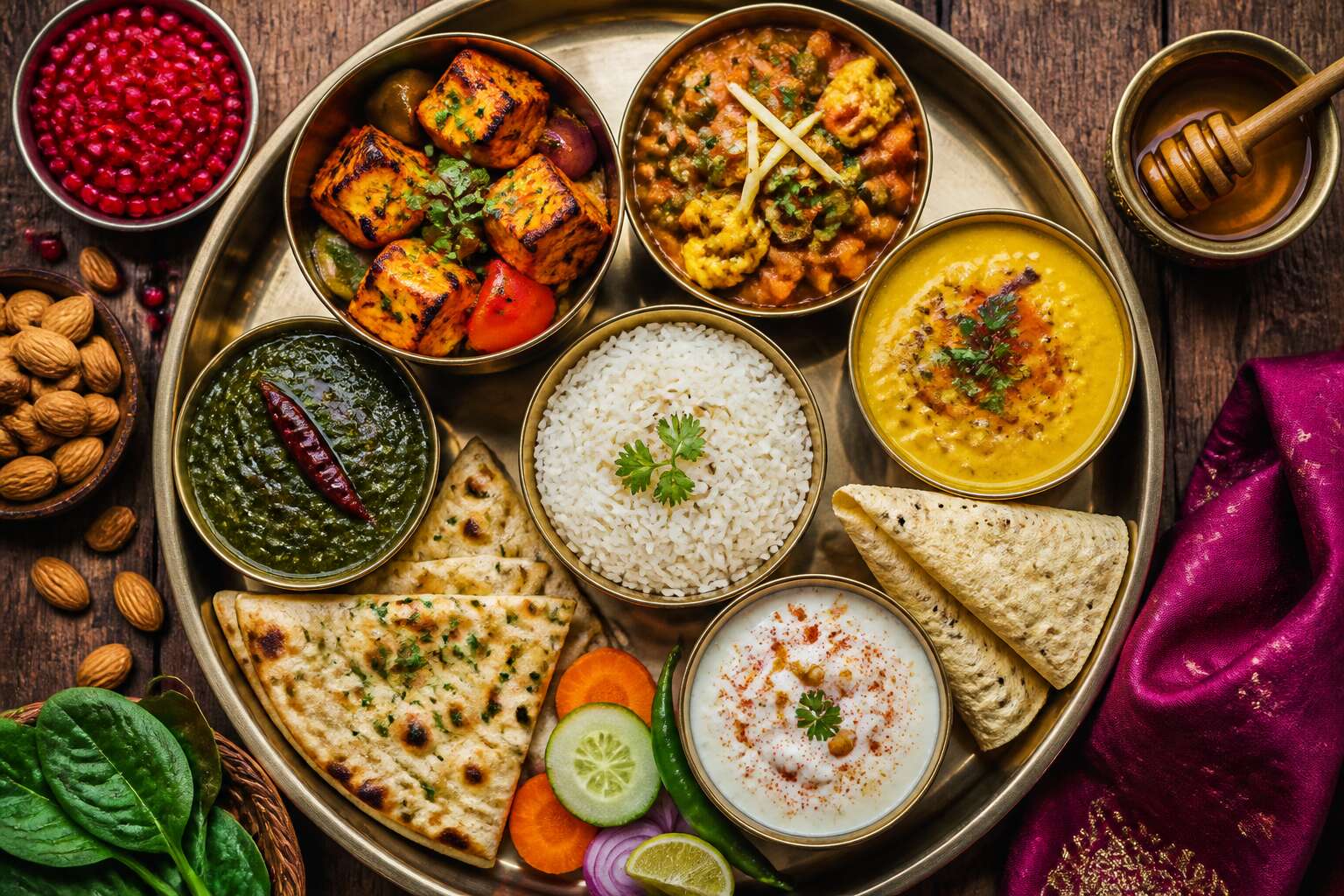
Ayurvedic Superfoods for Male Fertility
Ashwagandha: The Stress-Relieving Root
Men in South Africa face a quiet crisis: cortisol levels that damage sperm quality. Ashwagandha, known as the stress relieving root, offers a direct response. This ancient herb has been a central part of Ayurvedic practice for generations, and modern research now confirms its value.
Consider what Ashwagandha does for the male reproductive system:
- It lowers cortisol, reducing the hormonal imbalance that hampers sperm production
- It restores testosterone levels, allowing the testes to function with greater vigour
- It improves semen parameters, including sperm count and motility
Quality sperm requires a calm body, not a panicked one. While many consumers search for indian food to increase sperm count, they may not realize that a simple root powder delivers similar benefits. A daily dose of Ashwagandha, taken with warm milk after dinner, helps the body to rebuild its reserves. The herb does not act overnight. Its effects build slowly, but they build deeply.
Shatavari for Hormonal Balance
Shatavari, the Ayurvedic superfood that women have long claimed for their own, shows men a quieter benefit. It balances the hormones that determine reproductive order, keeping oestrogen from overwhelming testosterone. For a man whose semen analysis disappoints, this root may correct the imbalance. It acts on the endocrine system, steadying the signals that govern sperm production.
Researchers note that Shatavari supports luteinizing hormone, which tells the testes to make more sperm. It also reduces inflammation in the reproductive tract, a common obstacle to indian food to increase sperm count. While the kitchen offers many remedies, Shatavari works by stabilising the hormonal environment before other nutrients take effect.
Turmeric and Its Anti-Inflammatory Effects
Turmeric, the golden root that stains every curry, holds a compound called curcumin that fights inflammation at a cellular level. Inflammation in the male reproductive tract is a known cause of poor sperm parameters. It raises oxidative stress, damages sperm DNA, and lowers motility. Research is consistent: men with higher inflammatory markers produce semen that fails basic quality checks.
Eating turmeric daily, a key part of indian food to increase sperm count, delivers curcuminoids gradually, especially with black pepper. Spermatogenesis is delicate, and any disruption reduces yield. I’ve seen men change nothing else but add turmeric to their meals, and their next analysis shows fewer deformed cells.
- Curcumin reduces tumour necrosis factor, a pro-inflammatory cytokine
- It protects the blood-testis barrier from oxidative damage
- It lowers reactive oxygen species in seminal plasma
Garlic and Onions as Natural Detoxifiers
Garlic and onions are the unsung workhorses of the Indian kitchen. Their sharp scent masks a potent detoxification mechanism. Their allicin and diallyl sulfide bind to cadmium and lead, escorting them out of the body. Heavy metal accumulation in the testes is a known cause of poor sperm morphology. A 2017 study showed men with elevated lead had 29% lower sperm concentration. When I advise clients on indian food to increase sperm count, I emphasize daily consumption of these bulbs. The liver’s glutathione production depends on sulfur from garlic and onions.
- Crush garlic and let it rest for 10 minutes before heating
- Slice onions and expose them to air to release quercetin
- Add them to dals and vegetable curries without burning
This practice supports the epididymis, where sperm mature, keeping the environment free from toxic interference. Without it, the seminiferous tubules face oxidative stress that stalls sperm production!
Saffron and Its Ancient Reputation
Saffron is the most expensive spice by weight, and Ayurvedic medicine regards it with equal reverence. Ancient texts describe saffron as a vrishya, a procreative tonic for weak sperm. Crocin, saffron’s primary pigment, protects sperm DNA from fragmentation and improves testicular blood flow.
A 2018 trial gave men with low sperm counts twenty-six weeks of saffron. Sperm concentration rose, and forward motility improved significantly! That data echoes the indian food to increase sperm count traditions that persisted for centuries in the subcontinent.
Ayurvedic texts record these preparations:
- Warm saffron milk at night calms the nervous system
- Biryani threads infuse the rice during the final hour of cooking
- Kesar kheer uses cream to carry the spice into the bloodstream
Saffron remains essential in indian food to increase sperm count regimens. South African households cooking with whole Kashmiri saffron obtain the spice’s full benefits, a truth the Mughal courts knew.
Key Nutrients in Indian Cuisine That Support Healthy Semen
Zinc-Rich Lentils and Legumes
Zinc deficiency affects nearly a third of men worldwide, yet the answer is often a bowl of dal. Indian cuisine relies on lentils and legumes as a primary zinc source. Masoor dal, chana dal, and black chickpeas deliver bioavailable zinc alongside folate and magnesium.
The soaking and sprouting methods used in Indian cooking reduce phytates, which otherwise block zinc absorption. This matters because zinc directly influences testosterone synthesis and sperm membrane integrity.
Consider the zinc content per cooked cup:
- Moong dal: 1.1 mg
- Rajma (kidney beans): 1.4 mg
- Chana (chickpeas): 1.3 mg
These numbers look modest, but a daily rotation of dals compounds into a meaningful contribution! For men exploring indian food to increase sperm count, the lentil-heavy diet is a practical foundation. In South Africa, these staples are affordable and widely available.
Folate-Loaded Leafy Greens
Folate deficiency remains one of the most overlooked factors in male fertility, despite its direct link to sperm DNA integrity. Indian cuisine answers this gap with palak, methi, and sarson ka saag. These leafy greens are dense with folate, the B vitamin that supports spermatogenesis and prevents chromosomal abnormalities.
Folate content per cooked cup:
- Palak (spinach): 263 mcg
- Methi (fenugreek leaves): 60 mcg
- Sarson (mustard greens): 55 mcg
Indian preparation methods, such as quick wilting in ghee with garlic, preserve this delicate nutrient better than prolonged boiling. In South African supermarkets, fresh spinach and methi are widely available. I recommend pairing greens with lemon juice, since vitamin C enhances folate absorption. For men exploring indian food to increase sperm count, adding a weekly saag dish is a direct step toward healthier seminal fluid.
Vitamin C from Amla and Citrus Fruits
Amla, or Indian gooseberry, delivers one of the highest vitamin C concentrations in any fruit. A single fruit provides around 600 mg, far more than an orange. This nutrient protects sperm from oxidative damage. High oxidative stress lowers sperm count and motility. Vitamin C acts as a scavenger, preserving cellular integrity.
Common vitamin C sources in Indian cooking include:
- Amla chutney
- Lemon juice in dal
- Raw mango salads
These ingredients fit easily into daily meals. For South African men, fresh amla is available at certain grocers, while lemons are everywhere. I find that combining amla with a squeeze of lime boosts the effect. The link between vitamin C and male fertility is well documented. Indian food to increase sperm count relies on such antioxidants for a reason.
Selenium from Cashews and Seeds
In the shadowed corners of the Indian pantry, cashews and seeds hold a quiet power. Selenium, a mineral often overlooked, is essential for the structural integrity of sperm. Without it, the delicate architecture of the male cell falters. Cashews, with their buttery richness, deliver this mineral generously. Sunflower seeds and sesame seeds, scattered through curries and chutneys, add their own measure.
This nutrient works in silence, protecting the sperm membrane from oxidative stress that threatens its journey. For South African men exploring indian food to increase sperm count, these ingredients are both accessible and ancient. The soil of India imparts selenium to these crops, and the body accepts it readily. A handful of cashews or a spoon of seeds each day is enough. I have seen men dismiss these small additions, yet their effect on seminal health is far from trivial.
Traditional Indian Dishes to Incorporate into Your Routine
Paneer and Milk-Based Preparations
The sound of paneer searing on a cast-iron tawa carries a distinct assurance in Indian culinary culture, a texture South Africans often mistake for simple tofu. Yet paneer functions differently in the body. As part of indian food to increase sperm count, this full-fat cheese supplies casein and cholesterol, the latter serving as the substrate for testosterone production.
Milk, when reduced slowly, changes its molecular structure. Basundi, a Maharashtrian treat, offers a concentrated form of dairy that bypasses the lactose sensitivity common in adults.
- Paneer makhani, with its tomato butter base, encourages the absorption of vitamins A and D stored in the cream.
- Thayir sadam, a yogurt rice dish, introduces probiotics that support gut-health, indirectly aiding mineral uptake for reproductive function.
These preparations hold a specific place in the daily diet, delivering amino acids and saturated fats that less processed proteins lack.
Khichdi for Digestive Balance
Khichdi is a staple in Indian kitchens, and in my own home it appears whenever the body needs a reset. A blend of rice and split moong dal, it cooks into a texture that requires minimal effort from your gut. For anyone exploring indian food to increase sperm count, this matters more than any single ingredient.
What makes khichdi distinctive is restraint. Ghee and cumin seeds season it. The starches break down slowly, which makes the meal gentle on a tired digestive system. Unlike heavy curries, khichdi passes through without demanding excess energy.
- Moong dal delivers protein without the heaviness of animal fats
- Rice offers easily accessible carbohydrates for sustained energy
- Cumin seeds stimulate digestive enzymes
A consistent bowl of khichdi creates an internal environment where reproductive nutrients actually get absorbed. That indirect effect explains why indian food to increase sperm count often starts with a humble bowl of khichdi.
Dry Fruit and Seed Laddus
Dry fruit and seed laddus are a clever answer to the question of indian food to increase sperm count. These small confections, rolled by hand, carry a dense payload of nutrition without demanding hours in the kitchen. In South African homes with Indian roots, they appear at festivals and after long days when a quick bite is needed.
What sets a laddu apart is its construction. Dates and figs provide natural sweetness, while almonds and pumpkin seeds offer texture and fat. A touch of ghee binds everything into a ball that survives a busy commute without crumbling.
- Almonds for vitamin E and magnesium
- Pumpkin seeds for zinc and plant protein
- Sesame seeds for calcium and healthy oils
The ritual of rolling laddus also slows you down. You measure, mix, and press with intention. That process itself makes indian food to increase sperm count more appealing, because you know exactly what went into each bite.
Spiced Herbal Teas for Daily Vitality
After the heaviness of a rich meal, a cup of spiced tea settles the body. In many South African Indian households, the kettle is always warm. A brew of ginger, cardamom, and cinnamon does more than comfort. It supports circulation and reduces oxidative stress, two factors that matter for reproductive health.
- Ginger for improved blood flow
- Cardamom for its aromatic essential oils
- Cinnamon for steady blood sugar
These spices are easy to keep on hand. When you drink them daily, you add a gentle layer of support to your overall intake. This simple habit is one more example of indian food to increase sperm count, because the warmth helps your body absorb nutrients from every meal that follows.
Dietary Habits and Meal Timing for Optimal Nutrient Uptake
The Science of Morning Rituals
One in six couples faces infertility, and the male factor contributes nearly half the time. Yet many South African men treat breakfast like a casual acquaintance, greeting it with coffee and haste. The body prefers a more formal introduction. The science of morning rituals suggests eating within an hour of waking to stabilise cortisol and support healthy sperm. Indian food to increase sperm count works best when the digestive system is awake and ready.
A traditional start, such as spiced millet porridge or moong dal soup, primes the gut. I have seen impeccable diets fail due to erratic eating hours. Your body thrives on routine! Irregular meal times disrupt nutrient absorption, so timing matters.
Observe the rhythm that works in our subcontinental kitchens:
- Warm water and lemon upon waking
- Breakfast between 7 and 9 a.m.
- Lunch by midday
- Dinner before 8 p.m.
Balanced Plate: Combining Grains, Legumes, and Vegetables
South African breakfast tables rarely feature a balanced plate. The morning rush delivers coffee and a hurried sandwich, while the digestive tract waits for something more deliberate. Indian food to increase sperm count depends on pairing grains with legumes and vegetables at every meal. Each food group releases nutrients at different speeds, so the gut absorbs them best when they arrive together. A plate of brown rice, moong dal, and sautéed greens provides amino acids and antioxidants in one synchronised wave. Add a spoon of ghee to help fat-soluble compounds travel.
Timing also shapes absorption. Eating at consistent hours trains the gut to produce enzymes on schedule. Typical Indian meal rhythms look like this:
- Breakfast between 7 and 9 a.m.
- Lunch by midday
- Dinner before 8 p.m.
Straying from that rhythm disrupts nutrient uptake. Indian food to increase sperm count only performs when the schedule holds and the plate stays balanced.
Hydration as a Cornerstone of Semen Health
In South Africa, heat and long days place extra demands on the body. Water is not a luxury for men hoping to improve semen quality, it is a core requirement. Dehydration thickens seminal fluid, making it harder for sperm to travel. Indian food to increase sperm count works best when paired with steady hydration throughout the day.
Meal timing matters just as much. The gut absorbs nutrients like zinc and folate better when meals arrive at set hours. Eating at consistent times helps the body prepare digestive enzymes.
- Drink at least two litres of plain water daily
- Take small sips between meals, not just during meals
- Add coconut water or buttermilk in hot afternoons
Even the most nutrient-dense Indian meals lose their power if the body is parched. Hydration and routine work together.
0 Comments