
Understanding Indian Food And Nutrition
Regional Diversity In Indian Cuisine
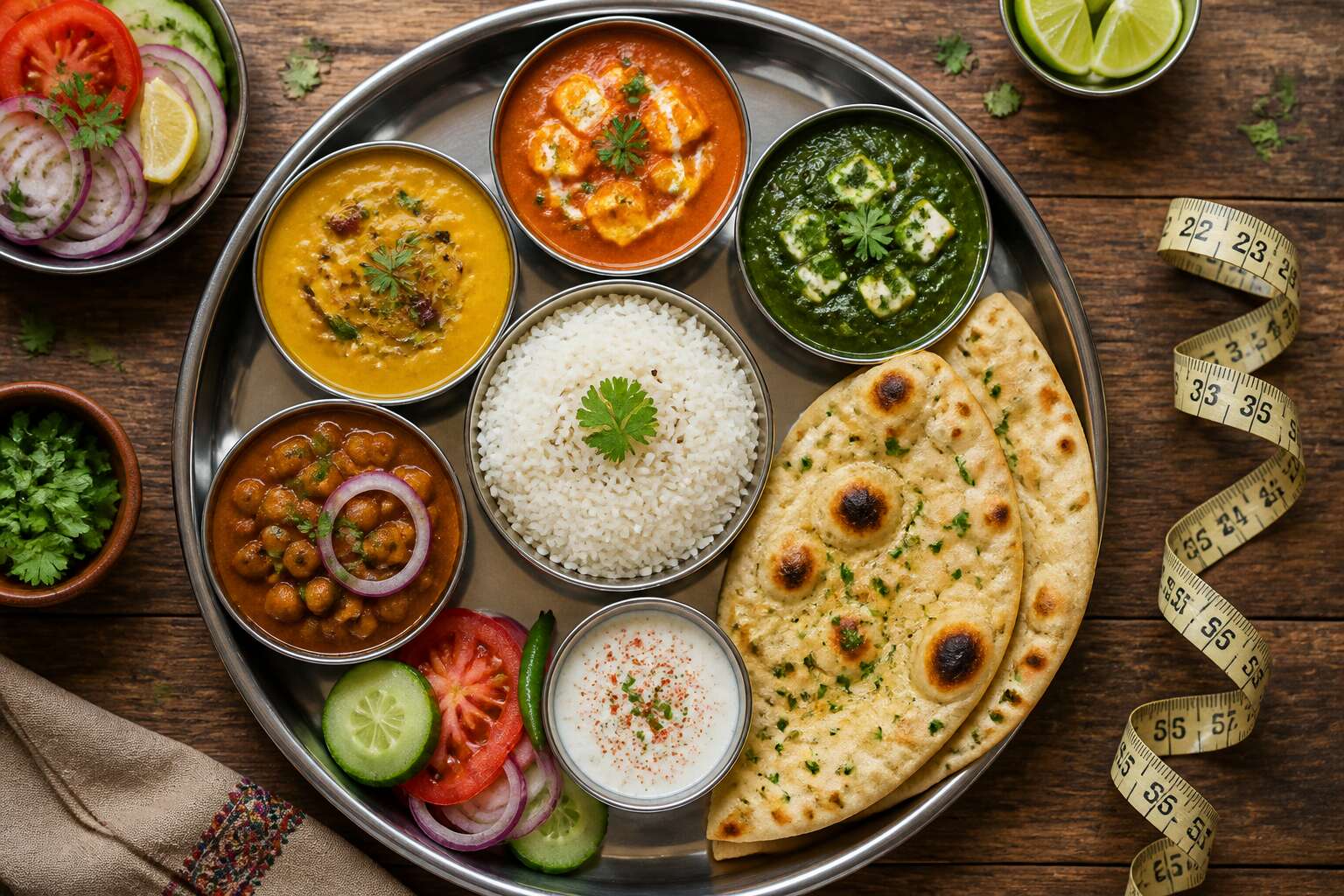
One plate of Indian food captures a hint of its regional diversity. In Punjab, creamy paneer and butter-laden dals dominate! Coastal Kerala relies on coconut milk and seafood. Bengal favors mustard oil and light fish curries, while Gujarat leans on fermented batters. These variations shape whether will indian food make you fat, because nutrients and satiety differ from state to state.
Consider the primary cooking fats and grains:
- North India: ghee and whole wheat
- South India: coconut oil and rice
- Eastern India: mustard oil and rice
- Western India: groundnut oil and millet
I’ve noticed that the same dish prepared in different states can carry twice the calories. A creamy makhani from Delhi and a tangy rasam from Tamil Nadu have different energy densities. This variety matters more than a blanket question, because your answer to will indian food make you fat depends on which region’s cuisine lands on your plate.
Core Ingredients And Their Caloric Content
One tablespoon of ghee delivers 120 calories, and many Indian kitchens pour that into a single tempering. Understanding Indian food and nutrition means examining what actually drives caloric density, not the turmeric or cumin. Staples like basmati rice, whole wheat flour, and split lentils are modest in energy. The hidden calories accumulate through preparation methods and added fats.
I always tell people to count the fat, not the spice! Consider a standard home thali:
- Steamed rice: about 200 calories per cup
- Dal with a spoonful of ghee: roughly 220 calories
- Two rotis brushed with butter: around 300 calories
Restaurant versions escalate quickly. A creamy butter chicken can exceed 500 calories per serving, while a simple grilled tikka stays near 250. So, will indian food make you fat? The answer depends on your choices. Home cooking with measured oils rarely causes weight gain. Constant indulgence in rich curries, deep-fried snacks, and sweetened lassis certainly will.
Macronutrient Breakdown Of Popular Dishes
Ever wonder why a paneer tikka leaves you pleasantly full while a bowl of dal makhani sends you straight to the couch? The macronutrient breakdown explains it. Paneer tikka delivers around 20 grams of protein and 15 grams of fat per serving, with barely any carbs. Dal makhani, on the other hand, leans on lentils and cream, packing 30 grams of fat and 40 grams of carbs. This contrast answers will indian food make you fat? Not by itself. The real question is what you order repeatedly.
A typical home thali’s macros tip heavily toward carbohydrates, with rice and roti taking up 60% of the plate. Protein arrives via dal, paneer, or chicken, usually landing near 20%. Fat swings from 10% to 30%, depending on how freely ghee and cream flow. Restaurant versions amplify the fat and carb load, so an indulgent meal pushes daily calories upward. Will indian food make you fat? Only when you consistently pick the heavy combinations over the balanced ones. That is a personal choice, not a flaw of the cuisine.
How Cooking Techniques Affect Calories
A single tablespoon of ghee carries about 115 calories. How you deploy it matters. Deep frying locks oil into the pastry, while roasting vegetables with a light brush of oil stays leaner.
A tadka of spices in hot ghee adds flavor, but pouring every last drop over your dal also pours in fat. Tandoor cooking uses intense dry heat and demands little oil. A tandoori chicken thigh and a butter chicken thigh start from the same bird, yet their calorie endings diverge.
- Grilling and roasting: minimal added fat
- Shallow frying: moderate absorption
- Deep frying: maximum oil retention
The answer to will indian food make you fat depends on cooking method, not spice list. A curry that simmers slowly stays lean. The same ingredients, fried first, carry a different burden. So will indian food make you fat? Only when cooking techniques add fat faster than you burn.
Portion Sizes In Traditional Indian Meals
The traditional thali functions as a portion control system. A standard platter holds small bowls of dal, vegetables, rice, bread, and condiments. Each serving is measured by the hand, not the ladle. The question will indian food make you fat often depends on how many times those bowls get refilled.
Here is what a balanced thali typically contains:
- One to two rotis, or a single cup of rice
- A quarter bowl of dal and a quarter bowl of vegetable curry
- A spoon of pickle and a spoon of chutney
The rest of the plate stays bare. That empty space matters. When portions expand, the calorie load expands too. A second helping of rice adds around 200 calories. Another drizzle of gravy adds a further 100. The traditional structure already solves the problem when you respect its limits.
Why Indian Food Can Lead To Weight Gain
Hidden Calories In Cream And Coconut Milk
A cup of coconut milk carries 450 calories, while two tablespoons of fresh cream add 100 calories to a modest bowl. The creamy sheen on butter chicken often comes from heavy cream. These hidden extras are why “will indian food make you fat” is a valid concern.
Many curries like malai kofta and paneer makhani rely on cream and coconut milk. The flavour deepens, but so does the caloric load. Common offenders include:
- Chicken korma with blended cashews and coconut cream
- Dal makhani, slow cooked with butter and heavy cream
- Fish moilee, simmered in thick coconut milk
These ingredients are calorie dense. A single restaurant portion of a creamy curry can deliver 800 calories before rice or naan. I have seen diners overlook this. So, will indian food make you fat? Only if such creamy habits become daily.
The Role Of Refined White Rice And Breads
Across South African Indian households, a plate of biryani often holds more rice than protein. That single serving of polished white rice can carry roughly 200 calories before a single piece of curry touches it. The refined grain breaks down rapidly, spiking blood sugar and prompting insulin release, which encourages fat storage rather than fat burning.
Breads like naan and paratha follow the same pattern. They are made from maida, a finely milled wheat flour stripped of fibre. Without fibre, satiety fades quickly, so you reach for another piece.
- Plain naan: 260 calories per piece
- Butter naan: 350 calories
- Paratha with ghee: 300 calories
Add these to a creamy curry and the answer to will indian food make you fat becomes clearer. The combination of refined carbohydrates and energy dense sauces pushes daily intake over the edge.
Fried Snacks And Street Food Pitfalls
Walking through a Durban market, the scent of fried everything hangs thick in the air. Samoosas, chilli bites, and vadais sit golden and gleaming, each one offering a quick, salty pleasure. But those crispy exteriors hide a dense reality. A single samoosa, filled with spiced potato and peas, then deep fried, carries a calorie count that can rival a proper meal.
The question of will indian food make you fat often finds an answer in these street corner treats. The problem is not the spices or the fillings. It is the method of cooking. When a snack is submerged in hot oil, it absorbs a significant amount of fat. That fat, often reused repeatedly, adds energy without adding any feeling of fullness.
Consider the common culprits you might grab on a busy day:
– Two samoosas can easily deliver 400 calories or more.
– A single fried chilli bite carries roughly 80 to 100 calories.
– A plate of bhel puri, despite its light look, mixes crunchy fried noodles and sweet chutneys into a sugary calorie trap.
These snacks are not occasional indulgences in many households; they are daily reflexes. The ease of buying them from a local vendor makes them a staple, and the small size tricks you into eating several. Before you know it, you have consumed a day’s worth of oil in one sitting. Will indian food make you fat? The answer becomes clear when such snacks replace regular meals rather than complementing them.
The crunch is addictive. But each bite of that fried exterior bypasses the natural signals your stomach sends to your brain. You eat quickly, you eat more, and the oil slows digestion just enough to leave you feeling heavy, not nourished. For anyone still asking will indian food make you fat, the street food circuit offers the clearest warning, written in golden oil and crispy batter.
Sugar-Loaded Desserts And Sweetened Drinks
Ask whether will indian food make you fat and the answer often hides in a glass of sweetened chai or a plate of gulab jamun. These desserts deliver sugar in astonishing quantities. A single gulab jamun, soaked in syrup, can carry over 150 calories. A tall mango lassi, made with full cream and sugar, easily tops 300 calories.
Consider the sweets that tempt you after a meal:
- Jalebi, fried and drenched in sugar syrup
- Barfi, condensed milk and sugar pressed into squares
- Sweetened rice pudding, loaded with extra sugar
Each portion seems small, but the sugar content tells a different story. Your body processes these quickly, spiking insulin and storing excess energy as fat. So the classic question has another clear answer in these sugary endings.
High-Fat Dairy Products In Curries
Ordering a seemingly harmless bowl of butter paneer might quietly tip your daily calorie ledger. A single serving can contain more than 30 grams of saturated fat, mostly from ghee and full cream. South African diners often overlook how these dairy additions transform a light tomato base into a dense, energy-rich sauce.
The body stores this surplus efficiently. When you consume more fat than your metabolism burns, the excess settles around your midsection. This is where the answer to will indian food make you fat becomes nuanced. The food itself is not the enemy, but the cumulative dairy load matters.
Consider what goes into a typical restaurant curry:
- Paneer cubes fried in ghee
- A full cup of cream stirred in at the end
- Butter swirled over the top for shine
Each ingredient adds flavour, but also adds hundreds of kilojoules. A 100 gram serving of paneer alone delivers roughly 260 calories. Pair that with butter and cream, and the question will indian food make you fat starts to answer itself.
Oversized Restaurant Portions
South African Indian restaurants design portions around perceived value, not biological need. The platter arrives crowded with extra naan, a mountain of rice, and side bowls that multiply the energy load. This is where will indian food make you fat becomes a question of volume rather than ingredients. A home curry feeds one person for hours.
Restaurant servings typically include:
- Multiple breads when one would suffice
- Rice portions that nearly double the plate
- Free papad and chutney before the meal arrives
Add these together and a single sitting can exceed 1,500 calories before dessert. The recipe has not changed. The quantity has. The answer to will indian food make you fat depends on portion size more than the spice blend.
Healthy Indian Dishes That Support Weight Loss
Lentil And Legume Based Curries
The question of will indian food make you fat usually ignores the dal pot sitting at the centre of the table. Lentil and legume based curries are the steady workhorses of Indian home cooking, delivering protein and soluble fibre in one bowl. A standard serving of masoor dal slows digestion and keeps hunger at bay, while chana masala offers the same staying power. These dishes rely on dried beans and split peas, not expensive cream or butter. For South African households, they are also remarkably budget friendly.
- Masoor dal (red lentil)
- Chana masala (chickpea)
- Moong dal (yellow split mung bean)
- Rajma (kidney bean curry)
The fibre content feeds healthy gut bacteria, and the plant protein supports muscle maintenance. So will indian food make you fat? Not when the plate revolves around legumes instead of fried toppings and heavy sauces.
Grilled And Tandoori Options
The question of will indian food make you fat finds its answer in the tandoor’s ancient heat. Grilled meats and vegetables emerge from the clay oven with smoke and spice, their natural juices intact. Tandoori chicken is skinned before cooking, allowing the marinade of yogurt and turmeric to work without drowning the flesh in oil.
Seek out these preparations when the menu tempts you toward cream-laden kormas:
- Tandoori chicken (leg or breast)
- Seekh kebab (minced lamb with green chili)
- Tandoori prawns
- Grilled paneer tikka
The charred edges carry the flavour, not the fat. For South African diners, these dishes satisfy the craving for bold spice while keeping the energy intake moderate. Will indian food make you fat? Only if you ignore the grill and choose the butter-heavy curries instead.
Vegetable Heavy Sabzis
Standing over a bubbling pan of bhindi masala, one realises the question of will indian food make you fat rarely concerns the humble sabzi. These vegetable-heavy preparations depend on dry heat and layered spices, not submerged in fat.
The process rewards patience. Okra is fried gently until its sliminess vanishes, then tossed with turmeric, cumin and green chilli. Other vegetables follow the same logic:
- Cauliflower and potato, dry roasted with ginger
- Bitter gourd, caramelised with onions
- Drumsticks, simmered with tomato and tamarind
South African produce works well with this approach. A baingan bharta, for example, roasts the whole eggplant over an open flame, then mashes the smoky flesh with tomato, onion and coriander. The curry leaves and mustard seeds common in Durban homes are part of the same tempering tradition found across Indian kitchens.
Light Yogurt Raita And Chutneys
Light yogurt raita and chutneys answer the question of will indian food make you fat with a simple no. Cucumber raita, whisked with roasted cumin and a pinch of black salt, provides protein and calcium without heaviness. Mint leaves add a cooling finish.
- Onion and tomato raita for sharpness
- Beetroot raita for a sweet, crimson hue
- Spinach raita for a green, iron-rich option
Chutneys function as intense flavour delivery systems. Coriander chutney blends fresh herbs, green chilli and lemon juice for heat and brightness. Tamarind chutney, made from soaked pulp and a little jaggery, offers sweetness without cream. These condiments lift a simple plate of dal or grilled chicken into something satisfying, and they do so while keeping the calorie count low.
Spiced Soups And Broth Based Dishes
A bowl of spiced soup reframes the question of will indian food make you fat. These broths depend on simmered bones, vegetables and aromatics rather than cream or coconut milk. Ginger, garlic, black pepper and turmeric release their flavours slowly into the liquid. The result is a warming bowl that satisfies without heaviness.
Rasam, the Tamil pepper water, is a prime example. Its thin consistency and assertive spice profile make it a digestive ally. Mulligatawny, adapted from Tamil cooking by colonial kitchens, offers similar lightness when made with clear stock. For anyone who still asks will indian food make you fat, these soups show that Indian cooking can be lean and deeply flavoured at the same time.
- Clear chicken shorba with whole spices
- Tomato and black pepper broth
- Lentil and vegetable soup with lime
Each bowl delivers warmth and satiety without relying on fat for richness.
Smart Ways To Enjoy Indian Food Without Gaining Weight
Mastering Portion Control At Home
At home, the question of will indian food make you fat often depends on how you serve it. I’ve seen a modest curry recipe balloon into three helpings because the pot stayed on the table. Mastering portion control at home means setting boundaries before you take the first bite.
A few practical shifts help:
- Use a single dinner plate for everything, rice and curry together, so portions stay visible.
- Measure your rice once, then match that visual each time.
- Dish out your meal, then pack leftovers away immediately.
These actions sound small, but they change your relationship with the food. You stop eating on autopilot and start tasting each spice. So will indian food make you fat? Only if your portion control at home goes missing. With a little premeditation, the same food that fuels you also fits your daily energy needs.
Choosing Roti Over Naan Or Paratha
Will Indian food make you fat? Not if you choose roti over naan or paratha at your next meal. A plain whole wheat roti is cooked on a hot tawa without oil, while naan is brushed with butter and paratha is layered with ghee. That difference can save you 100 or more calories per piece.
Consider these simple swaps:
- Order tandoori roti instead of butter naan.
- Ask for your roti without extra ghee.
- Skip the paratha entirely when you are already having a rich curry.
Each roti adds fibre and structure to your plate without the heavy fat. So next time someone asks will Indian food make you fat, remember the bread on your plate often decides the answer.
Balancing Protein And Fiber On Your Plate
Balancing protein and fibre on your plate settles the question, will indian food make you fat. A portion of dal, a heap of sabzi, and a modest piece of grilled meat or paneer form a meal that satisfies without heaviness. Protein keeps muscle tissue intact, while fibre slows digestion and prevents the rapid hunger that leads to snacking later.
In South African Indian restaurants, the thali offers exactly this balance if you choose wisely. The lentils provide plant protein, the vegetables contribute bulk, and the bread becomes an accompaniment rather than the base. When I build my plate this way, the rich curries feel like a treat instead of a threat.
- Pair every rich curry with a lentil based side.
- Request extra grilled vegetables to fill half the plate.
- Keep rice to a few spoonfuls, not a mountain.
People who worry about weight gain often skip the dal and pile on naan. That reversal is where the calories creep in!
Asking For Less Oil And Ghee
Will indian food make you fat? The answer often hides in the glistening layer of ghee poured over a curry. In South African Indian eateries, asking for less oil is a simple request, yet few diners make it. Chefs use ghee for flavour, but they respect a guest who wants to taste the spices, not just the fat.
When ordering, I always say “less oil” or “dry” for my curry. For ghee, I ask for it on the side, so I control the pour. Many restaurants will accommodate without hesitation.
- Skip the extra ghee brushed on your roti or naan.
- Request the tadka added at the end, not simmered into the base.
- Choose thin, broth-like gravies over ones that gleam.
At home, measure your ghee with a teaspoon. A single tablespoon holds over 100 calories. Only if you let the oil decide does the weight follow.
Navigating Restaurant Menus Wisely
The menu arrives with names that reveal little on first reading. A dish called “shahi” announces a royal, cream laden sauce. A “bhuna” preparation roasts the spices directly into the meat with minimal oil. The question of will Indian food make you fat often gets answered by these small words.
I search for terms like “tandoori” and “tikka”, which point to cooking over coal. Side dishes also carry meaning. A simple cucumber salad appears next to a basket of buttered bread at many South African Indian restaurants.
Some menu items to notice:
– “Roghan” dishes with visible oil that pools on the surface
– “Jalfrezi” prepared with a dry, stir fried consistency
– “Madras” curries built on spice, not cream
I ask the waiter how a dish arrives. Whether the oil sits on top or is folded into the gravy. Whether will Indian food make you fat becomes a matter of reading these signs before ordering. The choice happens at the table, not on the scale.
Meal Prepping Healthier Indian Recipes
Meal prepping changes how I answer the question of will indian food make you fat. When I cook a large pot of dal on Sunday, I control every ingredient that enters it. The oil amount, the salt level, the spice heat, all of it remains in my hands rather than a restaurant kitchen’s.
I often double a recipe for chicken curry and freeze half in single serve containers. This removes the temptation to order late night takeaway when the fridge offers nothing ready. A few smart habits make the difference:
- Batch cook lentil based gravies and freeze them flat in zip lock bags
- Pre chop vegetables for sabzis and store them in airtight containers
- Make a base tomato onion masala and portion it for the week
Having these components ready means a fresh, balanced Indian meal comes together in under twenty minutes. Will indian food make you fat? Not when your weekly prep decides the portion and the fat content before hunger ever makes the call for you.
0 Comments