
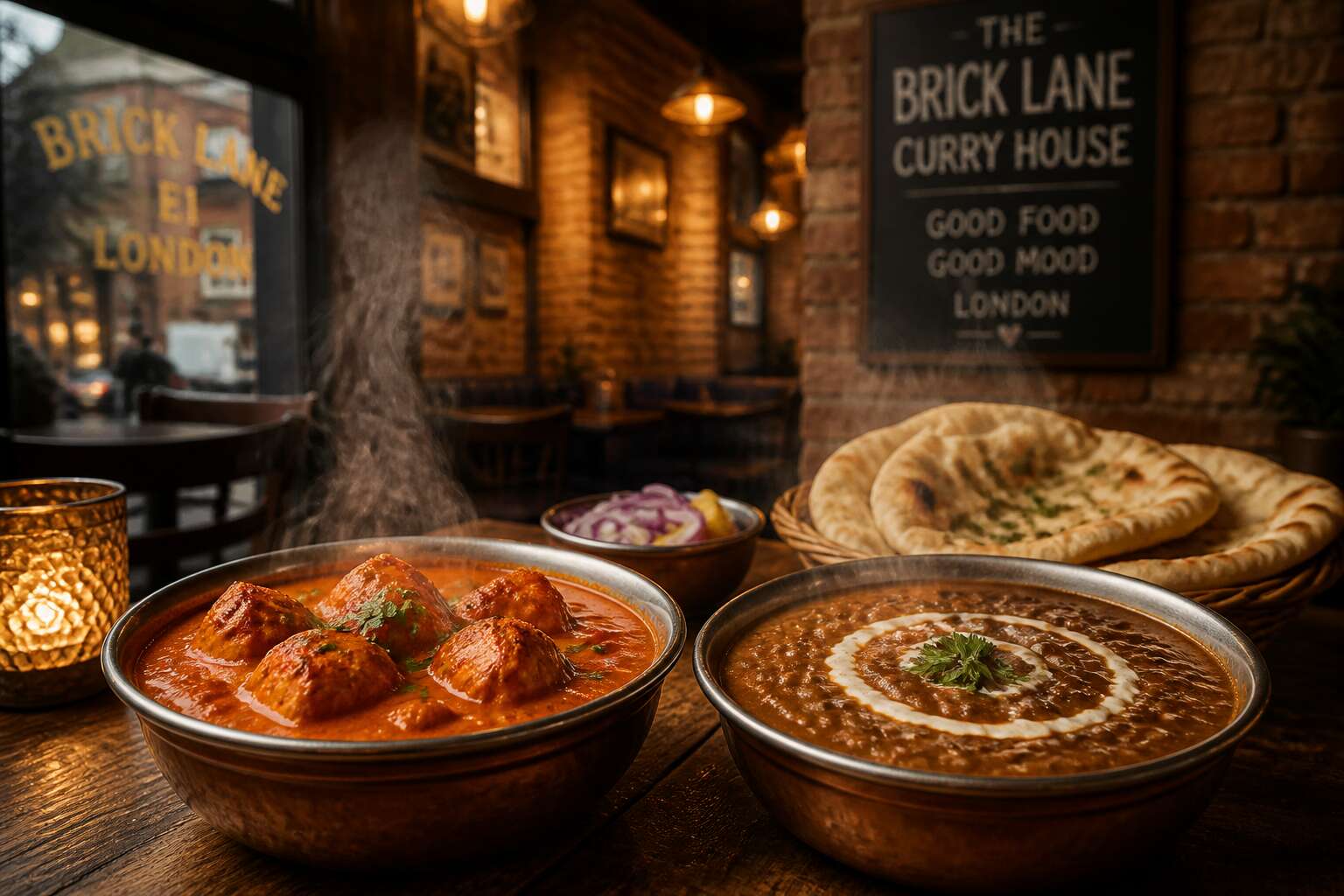
Historical Roots and Influence
The British Raj and Early Immigration
Queen Victoria’s personal Indian chefs were the original influencers, but the real story of why indian food in london begins with the British Raj. Returning colonials brought cravings for curry, along with a few treasured spices. They missed the flavors, so they hired Indian cooks to recreate them at home.
Early immigration in the late 19th century saw lascars, seafarers from Bengal, settle near the docks. They opened small eateries to feed themselves and fellow sailors. These kitchens eventually served curious Londoners.
- Lascar cafes around the East End
- Spice imports via the East India Company
- The first curry houses in the 1800s
That humble start explains why indian food in london holds such a firm place in the city’s dining scene.
Post-War Migration and Community Growth
Post-war migration changed London’s kitchens. From the late 1940s, migrants from a partitioned India, many from the Sylhet district, settled in Paddington, the East End, and Tooting. They opened dining rooms for their own communities, where the spices tasted like the villages they had left.
The community grew through the 1950s and 60s as families joined relatives. These restaurants ran on kinship. Brothers managed the tandoors, sisters handled accounts, cousins drove supply runs. A family economy, not a corporate one.
- Kitchens ran on family labour and word-of-mouth hiring
- Restaurants served as social hubs for newly arrived South Asians
- Community credit pooled resources to open new venues
By the 1970s, Londoners stopped treating curry as a novelty. They asked why Indian food in London had become so ordinary, so dependable. The answer sat in the kitchens, where family networks had turned cooking into an industry.
Evolution of Curry Houses
The curry house was never static. By the late 1960s, family kitchens faced a choice: close their doors to English customers or adapt. Most adapted. They thickened sauces, softened heat, and built a menu vernacular that echoed across the capital. Biryani, bhuna, korma. The menu became standard.
Economics drove this evolution. English diners brought steady income, and landlords in Brick Lane and Tooting took notice. Rents climbed. Menus standardised. Regional distinctions blurred into a single, recognisable style.
Three forces shaped the modern curry house:
- Trade deals in the 1960s cheapened spices, lowering food costs.
- Pub closures in the 1970s pushed drinkers toward Indian restaurants.
- Second generation owners professionalised accounting and supply chains.
By the 1980s, the answer to why Indian food in London tasted so consistent was infrastructure. Wholesalers and specialists knew exactly what a London diner expected. That is the real evolution!
The Influence of Bangladeshi Cuisine
Bangladeshi cooks from the Sylhet region did more than serve Indian food. They rebuilt it from the inside out. Their river village cuisine made them masters of gentle spice layering, a skill that gave London curries their quiet depth. Mustard oil, panch phoron, and dried chillies appeared in sauces where they had never been before.
These cooks also introduced the pre-cooked curry base, a deeply flavoured gravy finished to order in minutes. That single innovation transformed the economics of the trade and shaped why indian food in london became so dependable.
- They brought the tandoori oven into mainstream use.
- They created the mixed spice blends still used in thousands of kitchens.
- They built direct supply routes from Sylhet to Brick Lane.
Every standard London curry carries their fingerprints. That lineage matters when you ask why indian food in london tastes the way it does today!
The Culinary Landscape and Regional Diversity
North vs. South Indian Cuisine
Walk into a London restaurant and you might find a creamy butter chicken beside a fiery Chettinad curry. That range is no accident. The city’s Indian food scene splits along regional lines, and the contrast between North and South is stark.
North Indian cuisine leans on dairy, wheat, and tandoor ovens. Paneer, naan, and rich gravies dominate. South Indian cooking is lighter, built on rice, lentils, and coconut. Dosas, idlis, and tangy rasam fill the plate.
Here is what I see on a typical London menu:
- Tandoori meats and dal makhani from the North
- Masala dosa and fish curry from the South
This regional diversity is a major reason why indian food in london thrives on variety. Each kitchen carries its own geography, and that depth shows in every dish.
Regional Specialties from Punjab to Kerala
With over 8,000 Indian restaurants across London, the city has grown past generic curry houses into a true collection of regional identities. From Punjab to Kerala, each state brings its own ingredients and techniques. That is why indian food in london feels like a tour of a subcontinent.
Punjabi restaurants offer mustard oil and grilled meats with thick breads. Kerala’s menus lean on coconut milk, tamarind, and fresh seafood. These differences reflect climate, history, and trade routes.
- Punjab: sarson ka saag
- Kerala: appam with stew
- Gujarat: dhokla
This regional depth keeps drawing curious eaters. A single evening moves from a fiery Chettinad curry to a subtle Hyderabadi biryani. No two kitchens cook the same way.
Street Food and Snack Culture
Walk through any London market and you will smell it before you see it. The culinary landscape here is a riot of chaat stalls, dosa carts, and kathi roll stands. Londoners queue for crispy bhajis like they are queuing for tickets. That is why indian food in london never gets boring.
The regional diversity moves beyond sit down meals onto the pavement. Street food and snack culture in this city are serious business. You can grab a plate of bhel puri in Brick Lane or a vada pav in Southall.
- Pani puri with spicy water
- Dahi bhalla with yogurt
- Onion bhajis with green chutney
Each bite tells a different story. From tangy chutneys to crunchy sev, the textures keep you guessing. And the best part? No two vendors cook the same recipe.
The Rise of Thalis and Tiffin Services
Thalis and tiffin services answer why indian food in london refuses to stand still. The thali, a circular platter of small steel bowls, turns lunch into a ritual of balance. Londoners queue for these at counters from Soho to Croydon.
Tiffin services, once confined to domestic kitchens, now deliver weekly boxes to office desks. The carriers stack regional dishes, each layer a separate culinary territory. A standard box might contain:
- Gujarati dal with seasonal vegetables
- Punjabi chapati and spicy mango pickle
- Kerala fish curry with coconut rice
These services preserve home cooking standards while adapting to London’s pace. They built loyal followings through word of mouth alone, and no marketing campaign could replicate that.
The Importance of Spice Blends and Cooking Techniques
London’s Indian culinary landscape is less a single cuisine and more a living archive of regional methods. The city’s kitchens practise techniques that have survived migration intact, from the slow reduction of onion bases in Hyderabad to the mustard oil tempering of Bengali fish dishes. This is why indian food in london carries a depth that homogenised restaurant food elsewhere lacks.
Spice blends function as architectural blueprints. Common techniques include:
– Tadka, where whole spices bloom in hot oil to release volatile oils
– Dry roasting, which deepens colour and aroma before grinding
– Layering, where spice additions at different stages build complexity
These processes require time and restraint. London’s Indian cooks, whether in Mayfair or Southall, maintain them with quiet rigour. The regional diversity across the city is not spectacle. It is the reason why indian food in london rewards repeat visits, each kitchen offering a distinct grammar of flavour.
The Distinctive London Twist
The Birth of Chicken Tikka Masala
Somewhere between a tandoor and a tin of tomato soup, London performed its greatest culinary conjuring trick. Chicken tikka masala isn’t authentic Indian food, nor is it authentically British. It is a delicious lie, and London tells it beautifully. The murky origin story involves a Bangladeshi chef, a can of Campbell’s soup, and a customer who demanded gravy after several pints. Truth loses to taste every time. The dish showcases the immigrant instinct to accommodate, adapt, and improvise, which explains why indian food in london remains unrivalled. The London formula is simple:
- Charred, spiced chicken pieces straight from the tandoor
- A silken tomato sauce with a hidden whisper of cream
- A chef who will add extra sugar, salt, or chilli without judgment
Whether it first bubbled into existence in Brick Lane or Glasgow, this wet, orange, glorious accident captures the city’s genius for making foreign things feel local. Some call it appropriation. London calls it dinner.
Adaptations to British Palates
London curry houses did something bold with Indian food: they asked what Britain actually wanted to eat. The answer was not fire. It was comfort! So the standard British curry leans sweeter, creamier, and far less volatile than its South Asian parent.
Consider the vindaloo, a Goan dish that once relied on vinegar and pork. In London, it became a spice-level challenge with a side of regret. The British palate wanted drama, not nuance, and restaurants obliged.
- Milder base gravies adjusted per table
- Extra sugar and salt added without judgment
- Rice and naan portions doubled for value
This negotiation explains why indian food in london still thrives. The food adapts without losing its essential character. The result is a cuisine that belongs to no single culture, but feeds every Londoner.
Fusion and Modern Indian Dining
I have eaten Indian food in Mumbai, Delhi, and Lahore. London’s version tastes like none of them. Chefs here run kitchens that glow with charcoal. They plate trout with a tamarind glaze beside a tribute to a Bombay street vendor. The tasting menu now carries Indian spices from first course to last.
The city’s chefs borrow with precision. They use Japanese miso in a dal. They age lamb for a rogan josh. The results show up on menus:
- a keralan fish curry finished with smoking curry leaves
- a cheese naan stuffed with British cheddar and aged for three days
- a kulfi reworked with roasted pineapple and cardamom oil
These experiments are not reckless. They follow a quiet logic. Each tests how Indian cooking absorbs the new. The question of why indian food in london continues to attract attention finds its answer here. These kitchens respect tradition and experiment. Londoners fill the seats!
The Cultural and Social Experience
Indian Restaurants as Community Hubs
London’s Indian restaurants serve as gathering spaces for a diverse public. A 2019 survey found that three in ten Britons visit an Indian eatery each month, drawn by the easy rhythm of eating together.
These venues host birthday parties, charity fundraisers, and after-work meetings. Staff remember preferences, and the late closing hours accommodate long conversations.
- Weekday lunch services bring together retired neighbours.
- Friendship groups meet for evening dosa platters.
- Community associations book private rooms for annual meetings.
That familiarity keeps people returning. This social function is a major reason why Indian food in London endures across generations, with these restaurants trusted as places for both celebration and consolation.
Festivals and Food Events
Indian food festivals now dominate London’s summer calendar. Diwali on the Square fills Trafalgar Square with chaat vendors and jalebi stalls. The London Indian Film Festival pairs screenings with regional feasts. Echoes of India concert series offers pre-show thali platters. These gatherings answer why indian food in london thrives beyond the restaurant table.
Several food events anchor this calendar:
- Neasden’s Navratri nights serve nine evenings of Gujarati street snacks.
- The Brick Lane Curry Festival celebrates Bangladeshi heritage with live cooking demos.
- London Mela brings South Asian food vendors to Gunnersbury Park each summer.
I have watched queues form at dawn for these pop-ups. The festival circuit turns Indian cuisine into shared spectacle, a public ritual that draws crowds of every background! This energy explains why indian food in london never stagnates, moving from restaurant tables to public squares with ease.
The Role of Brick Lane and Southall
Brick Lane and Southall answer the question of why Indian food in London lives so deeply in public life. Brick Lane draws late night crowds. Bengali chefs serve biryani to families, office workers, and revellers. Southall attracts daytime visitors. Punjabi households buy spices, eat parathas, and gather around sweet counters. Both places turn eating into a social ceremony outside formal dining.
- Brick Lane has dense evening crowds and pavement queues.
- Southall has long afternoons when generations share a table.
I have watched both streets during their busiest hours. This contrast explains why Indian food in London remains essential to the city’s cultural fabric.
Bollywood, Music, and Dining Atmosphere
Inside a London curry house, the soundscape transforms the meal. Hindi film songs from the 1990s mingle with modern Punjabi pop, creating a space where conversation and melody coexist. This is a core part of why Indian food in London feels immersive. The dining room adopts a Bollywood aesthetic; colourful fabrics, ornate mirrors, and warm lighting replace minimalist decor.
On a busy Friday evening, I watched a family clap along to a lively track while their biryani arrived. The music did not compete with the food. It elevated the spices and the shared plates. Some restaurants even screen classic film scenes on wall projectors.
The atmosphere extends beyond sound:
- Rhythmic dhol beats during festive nights
- Playful requests for songs from wedding playlists
- Staff who translate the energy of a Mumbai street into table service
That fusion of music and dining answers why Indian food in London continues to feel celebratory. Every guest takes part in that energy.
Why London Stands Out Globally
Comparison with Other Global Cities
London has over 1,500 Indian restaurants, a figure that surpasses New Delhi and Mumbai. Walk from Whitechapel to Soho and you’ll find regional styles from Kerala to Punjab in a single afternoon. New York delivers bold flavors but its South Asian history is shorter. Dubai offers luxury and authentic spices yet its dining scene lacks organic development. Paris has fine dining, but the range is narrower. Why indian food in london stands out globally is the convergence of migration patterns, colonial history, and a curious audience. These forces yield a cooking scene that balances tradition and invention. The city’s openness to change, visible in menus across every borough, creates a standard others cannot match. What a revelation to live in London!
Award-Winning Chefs and Restaurants
London’s Indian restaurants have collected more Michelin stars than any city outside India. That achievement points directly to why indian food in london commands global respect. Chefs such as Asma Khan and Atul Kochhar have rewritten expectations, while restaurants like Gymkhana and Trishna consistently earn international recognition.
A few markers of this excellence:
– Six Indian restaurants in London currently hold Michelin stars.
– Multiple chefs have won the Asian Restaurant Awards in the past five years.
– Three London Indian restaurants appear on the World’s 50 Best Restaurants list.
These awards come from a blend of classical technique, local sourcing, and a demanding audience. The city’s spice supply chain and adventurous diners push every kitchen to sharpen its craft. That ecosystem produces a standard no other capital can replicate.
Access to Authentic Ingredients
When a crate of Malabar peppercorns lands at Heathrow, London’s Indian kitchens respond. Importers air-freight fresh curry leaves every few days, and spice merchants stock over 300 chili varieties. This direct line to Indian farms explains why indian food in london outperforms other global cities.
Chefs do not rely on substitutes. They order exactly what regional recipes demand, from stone-ground turmeric to raw jackfruit. A typical wholesale list includes:
- Guntur chilies with smoky heat
- Banarsi paan leaves
- Black cardamom from Sikkim
That access changes the final plate. Marinades hydrate differently with true tamarind. Basmati rice comes from the Himalayas, aged two years. The result is a taste fidelity South African diners cannot find at home, and it explains why indian food in london remains the benchmark.
0 Comments