
Understanding Indian spices: a primer
Key spice families
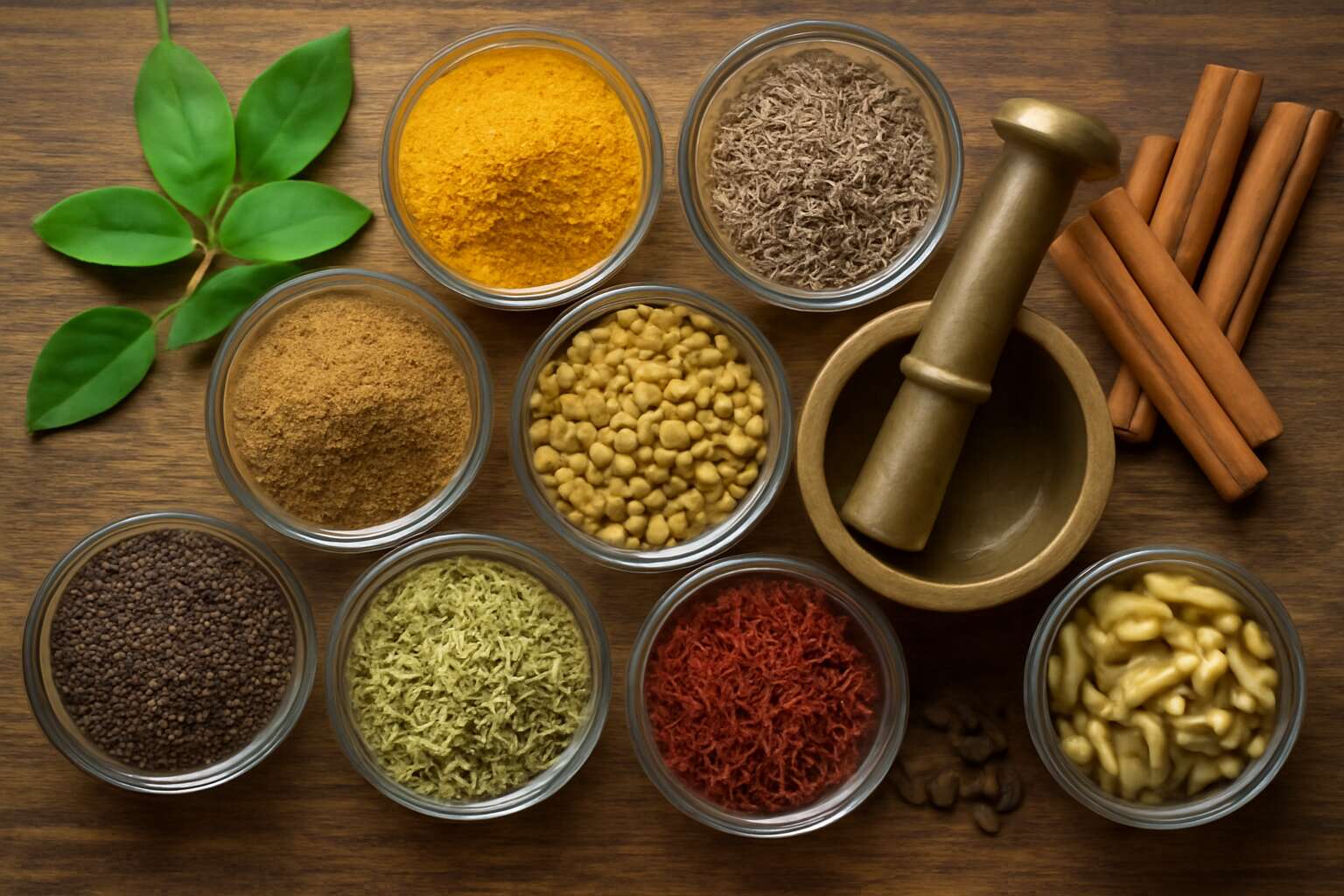
“Spices are memory pressed into a bottle,” a veteran Durban chef once whispered, and the enchantment of indian food spices begins with a single idea: flavor travels, not just heat. In this primer on understanding indian food spices, we map the mind of flavor—how bright aromatics, earthy seeds, and fiery chilies braid together to tell a dish’s story before a single bite.
The key families unfold like a nocturnal map:
- Aromatics: cardamom, cinnamon, cloves
- Seeds and powders: cumin, coriander, fennel
- Heat carriers: chili peppers, black pepper
- Color and depth: turmeric, fenugreek
In South Africa’s kitchens, these families mingle with local ingredients, birthing fusions that feel ancient and new at once. A careful balance of scent and heat can transform even a simple stew into a ritual.
Flavor profiles and regional influences
A strong aroma often drives dining decisions in SA homes. Spice stories travel farther than heat. In South African kitchens, aroma guides the first impression more than spice level. For cooks embracing indian food spices, balance guides every plate. Flavors shift with regional influences, from coastal coconut and tamarind to inland dairy and dried fruit, telling a dish’s origin before a single bite.
- North Indian warmth: dairy, cumin, coriander, garlic
- South Indian brightness: tamarind, coconut, curry leaves
- East Indian piquancy: mustard seed, poppy seed
- West Indian balance: sesame, jaggery, dried mango
Common whole and ground spices
“Spices are the poetry of the kitchen,” a line many SA cooks whisper as fragrant cumin and garlic rise from the pan. Indian food spices carry history into aroma, shaping first impressions long before heat touches the palate.
Understanding how whole and ground forms behave helps cooks balance brightness and depth. In indian food spices, whole seeds crackle with character; ground powders mingle swiftly, tinting sauces and stews with color and nuance. South African markets make both forms accessible, inviting experimentation.
- Cumin seeds
- Coriander seeds
- Mustard seeds
- Fennel seeds
- Cardamom pods
Ultimately, the spice rack becomes a map—one that tells a kitchen’s region, history, and palate in a single breath.
How spices interact with fat, heat, and acidity
Spices are the poetry of the kitchen, a refrain that lingers as cumin sizzles in oil. Understanding indian food spices reveals their dialogue with fat, heat, and acidity. Oil carries volatile oils from seeds and pods; moderate heat draws forth brightness without scorching; tangy counterpoints from yogurt, tamarind, or citrus illuminate depth and keep richness honest.
This primer guides South African cooks in balancing fat, heat, and acidity in every curry. Consider this quick map of interaction:
- Fat acts as a carrier, rounding edges and prolonging aroma.
- Heat blooms spice oils, unlocking flavors at a gentle simmer.
- Acidity brightens sweetness, clarifies tones, and lengthens the finish.
Popular Indian spices and their uses
Turmeric and its health benefits
South Africa’s kitchens glow with bold flavors, and turmeric stands at the center of indian food spices as a sun-bright accent. Turmeric’s warm, peppery aroma layers into curry bases and rice, while its health benefits steal the spotlight: curcumin acts as a potent anti-inflammatory and antioxidant, best absorbed with a pinch of black pepper. The result is color, warmth, and a lively edge that keeps dishes vibrant without masking other ingredients!
In practical use, turmeric unlocks a range of applications:
- Curries and stews for a golden hue
- Yogurt-marinated meats and vegetables for depth
- Roasted roots and greens with an earthy glow
Cumin and coriander pairings
More than half of South African households reach for cumin at least once a week, a sign of its everyday reach in SA kitchens—indian food spices like cumin and coriander become go-to staples.
Cumin seeds deliver smoky depth! Ground cumin opens spice blends, while coriander seeds add citrus brightness to yogurt marinades and fresh chutneys.
- Cumin seeds roast vegetables for depth
- Coriander seeds brighten marinades
- A pinch of both in kebab spice blends
Together, these two staples form a practical, adaptable wardrobe for South African kitchens, letting cooks build warmth without masking ingredients.
Mustard seeds and poppy seeds
Mustard seeds are the quiet roar that wakes a curry from its slumber. In indian food spices, their heat is clean, almost lemony, and when they seed the oil, they release the memory of bustling markets and warm kitchens. They temper richness, balance acidity, and remind us that restraint often yields the sharpest flavor.
Two practical uses emerge clearly:
- Mustard seeds — tempered in hot oil, they bloom into a peppery aroma that forms the base for dals, pickle mixes, and braises.
- Poppy seeds — ground or whole, they lend texture and a delicate nutty sweetness to breads, chutneys, and desserts.
Here in South Africa, these seeds travel with stories—textures and brightness that keep Indian food spices alive in everyday meals, inviting cooks to layer warmth without masking the core ingredients.
Chili peppers and heat levels
Heat travels by its own bright messenger in indian food spices. A single chili can lift a curry from softness to ceremony, turning a simmer into a story. The spectrum runs from the gentle fruitiness of Kashmiri chiles to the electric bite of Bird’s Eye, each heat level shaping aroma, texture, and memory. “Heat is memory in a mouthful,” a kitchen sage whispered, and in South Africa we savor that bridge between continents—the way peppers wake naan and seafood stews without masking the core sweetness!
- Kashmiri chili — mild, fruity warmth that deepens color
- Bird’s Eye chili — fierce, quick heat that lingers
- Green chilies — fresh, vibrant heat for finishing
Garam masala blends
Spices don’t whisper; they rally a crowd. Garam masala is the loud, fragrant anthem of Indian cooking, and in South Africa it’s a pantry staple that can lift a bland curry in one whiff. The blend isn’t a single recipe but a village of possibilities, roasty and warm with cardamom, cloves, cinnamon, and black pepper. Use it at the start to bloom aromatics or finish with a pinch for brightness, and watch the dish gain depth without losing its heart.
For South African kitchens, garam masala serves as a passport stamp—bold enough to lift stews, braais, and lentils while letting local sweetness shine through. For fans of indian food spices, this blend bridges continents with a whiff of warmth.
- Finish curries with a fragrant dust just before serving
- Blend into rubs for chicken, lamb, or seafood
- Bloom in oil at the start to unlock aroma in stews
Regional spice traditions across India
North Indian spice patterns
Spices are stories whispered through kitchens; in Indian regions, each aroma acts as a memory hinge. A recent culinary survey found that 60% of diners can identify a region by its spice profile, and North Indian traditions rise from a cautious warmth—fragrant yet grounded, like dawn over the plains!
Across the North, spice patterns wear a warm, aromatic mantle—dried fruits, fragrant seeds, and resinous notes weaving patience into every simmer. The following regional signatures hint at a more intimate geography:
- Awadhi influences: saffron threads, green cardamom, kewra, and fennel
- Kashmiri traditions: cinnamon, cardamom, fennel, and dried fruits
- Punjab and neighboring plains: ajwain, nigella seeds, and dried fenugreek leaves
These threads, in turn, define indian food spices in South Africa’s kitchens—an invitation to taste memory, to savor how a single region can reframe an entire plate with quiet ambition and fragrant storytelling.
South Indian spice traditions
More than 30% of tasters say the first whiff of a curry reveals its region before the spoon even leaves the plate. For fans of indian food spices, South Indian traditions lean on coconut oil, curry leaves, and tamarind to weave bright, sun-warmed notes into every simmer.
Key signatures include:
- curry leaves
- tamarind
- dried red chilies
- coconut
- mustard seeds
In kitchens from the Malabar coast to Bengaluru, these elements script a regional language that travels beautifully to South Africa, turning a familiar curry into a memory-maker with quiet ambition and fragrance.
West and East coast influences
A vivid statistic cuts through the kitchen air: 62% of tasters infer a curry’s homeland the moment its aroma rises. Regional spice traditions cross oceans, and the West and East coasts sketch a map for indian food spices that resonates in South Africa. Each coastal whisper—sun-warmed herbs and bright tang—gives a memory to the simmer.
On the West, Goan and Konkan kitchens savor tang and brightness.
- Goa’s kokum-kissed tang and coastal zest
<li Konkan's nutty depth with dried fruit accents
Their presence turns everyday curries into sunlit memories.
East coast kitchens—from Bengal to Andhra—tone with panch phoron and sesame, weaving memory into every plate. In South Africa markets, these profiles travel with a melody of distant shores.
Festive and ceremonial spice uses
Spice is the herald of ceremony, and in India the calendar tilts toward changing notes of indian food spices. A striking stat from tasting rooms places regional aroma as a storyteller—68% of festive menus hinge on a single spice to signal the moment of celebration. Across borders, cooks tilt pans toward panch phoron, tamarind, coconut, saffron, and kokum, letting scent carry memory before a single bite is taken. The map of ritual flavor unfurls with each region, revealing why ceremonies taste unlike any other.
- Bengal and Odisha: panch phoron and mustard oil in auspicious fish curries
- Tamil Nadu and Kerala: coconut, curry leaves, tamarind in temple feasts
These ceremonial threads weave a global spice tapestry, inviting South African kitchens to listen for the whisper of spice.
Practical cooking guides and storage
Storing spices for maximum freshness
Practical cooking guides meet careful storage in the heart of kitchen. For indian food spices, freshness is the pulse that keeps flavors honest and bright. Properly stored spices illuminate dishes without overpowering them, a small alchemy that can lift a weeknight meal into something memorable. In our kitchens, we keep airtight jars away from heat and light, labeling batches with dates to track their story.
The idea behind storage is to shield aromas from light, heat, and moisture, allowing spices to retain their character longer. Whole spices tend to carry more nuance than powders, a truth born in rural markets where grinding at the moment brings out brightness.
From rural kitchens to city pantries, the practice is the same: respect the spice, and it returns with warmth in every bite! We taste the memory of the harvest, the dust from the fields, and the quiet joy of a well-sealed jar.
Toasting and grinding techniques
Smart cooking guides start with small rituals! In our kitchens, for indian food spices, you toast whole seeds and dried leaves to unlock brightness powders can’t match. In busy South African kitchens, toasting is quick and reliable, keeping dishes balanced rather than overwhelmed. Grind in small batches for maximum aroma, then seal immediately to trap the scent.
- Toasting until fragrant releases essential oils.
- Grind in a clean, dry grinder to your preferred coarseness.
- Cool completely and store in airtight jars away from heat and light.
Treat spices like diary entries—date, roast level, and batch notes for repeatable magic.
Balancing flavor with acidity and sweetness
An honest spice sketch begins with balance, not bravado. In our South African kitchens, brightness arises when acidity and a whisper of sweetness waltz with curry, letting indian food spices reveal their depth. Each note can lift a sauce from ordinary to memorable, a chorus layered upon a chorus, where tart tamarind or citrus partners with palm sugar to temper heat and coax warm, lingering aroma.
- Acidity provides a counterpoint that brightens rich gravies without shouting.
- Sweetness and salt smooth edges, deepening character and harmony.
- Storage philosophy centers on protecting fragrance from heat and light, preserving soul.
These are practical threads in the tapestry of Indian cooking, guiding cooks toward intuition rather than rote measures. The aim is a graceful balance where brightness, warmth, and a touch of sweetness mingle, leaving the palate with a lingering glow, guided by indian food spices.
Substitution tips for missing spices
In South Africa, when indian food spices go missing, improvisation becomes a pantry craft—’the best curry begins with a pinch of courage,’ as one grandmother used to say. A thoughtful substitution respects heat, timing, and aroma.
Practical substitutions keep curry vibrant when jars are empty. Try these quick fixes:
- Cumin out? swap with ground coriander and a pinch of caraway to echo earthiness.
- Turmeric out? a touch of saffron for color plus paprika and ginger for warmth.
- Chili out? smoked paprika with a pinch of cayenne rebuilds heat without bitterness.
Store wisely: cool, dark jars away from heat, and decant what you open into airtight containers. Label with dates and use spices promptly to keep their soul alive.
Meal planning with spice blends
<p Across South Africa, spice shelves tell a story of weekly menus and shared memories. A recent food survey shows home cooks reach for robust blends 28% more in winter, proof that character and aroma still guide plates. indian food spices become the compass in a busy kitchen, turning simple ingredients into a vivid narrative!
Meal planning with spice blends shapes weeknight comfort without dull repetition. Align heat, aroma, and timing with what the pantry offers and what the season invites.
- Round-the-week flavor balance
- Season-smart batch blending
- Bright aromatics with restrained heat
Storage becomes a quiet stewardship in these kitchens, where dark corners and steady rotation keep memory and essence intact. When a pantry breathes with balanced jars, meals arrive with confidence rather than chaos.


0 Comments