
Understanding Indian Cuisine and Weight Loss
The Nutritional Profile of Traditional Indian Food
It’s a common misconception that the vibrant, complex dishes of India are off-limits when you’re trying to shed kilos. In reality, a traditional Indian kitchen is a treasure trove of nutritional wisdom. The secret lies not in deprivation, but in the intelligent use of spices, lentils, and cooking techniques that naturally support a healthy metabolism.
Let’s break down how this ancient cuisine works in your favour. The primary pillars are plant-based proteins, fibre-rich whole grains, and a powerful array of spices.
– Lentils and Legumes: Staples like dal and chickpeas are packed with protein and soluble fibre, keeping you satiated for hours and stabilising blood sugar levels.
– Spices: Turmeric, with its curcumin content, offers anti-inflammatory benefits, while chilli and black pepper can give your metabolism a gentle, natural boost.
– Vegetables: Seasonal vegetables are cooked simply with minimal oil, preserving their essential vitamins and minerals.
– Tofu or Paneer: These are excellent sources of lean protein that help regulate hunger hormones.
Many South Africans are surprised to learn that eating indian food for weight loss is not about eating bland meals. It’s about embracing a holistic approach where flavour and health coexist. By prioritising dishes that are steamed, roasted, or simmered in a light gravy of tomatoes and onions instead of heavy coconut cream, you are making a choice that aligns with your wellness goals.
Even staples like roti or rice can be part of the equation when portions are managed correctly. The key is to focus on the synergy of the ingredients; each meal is designed to be a balanced plate. So, whether you are exploring a fiery chickpea curry or a soothing bowl of moong dal, you are participating in a culinary tradition that proves that healthy eating can be a celebration. It’s a sustainable path, not a temporary diet, which makes it a compelling option for anyone looking to make a long-term change.
How Indian Cooking Differs from Western Diets
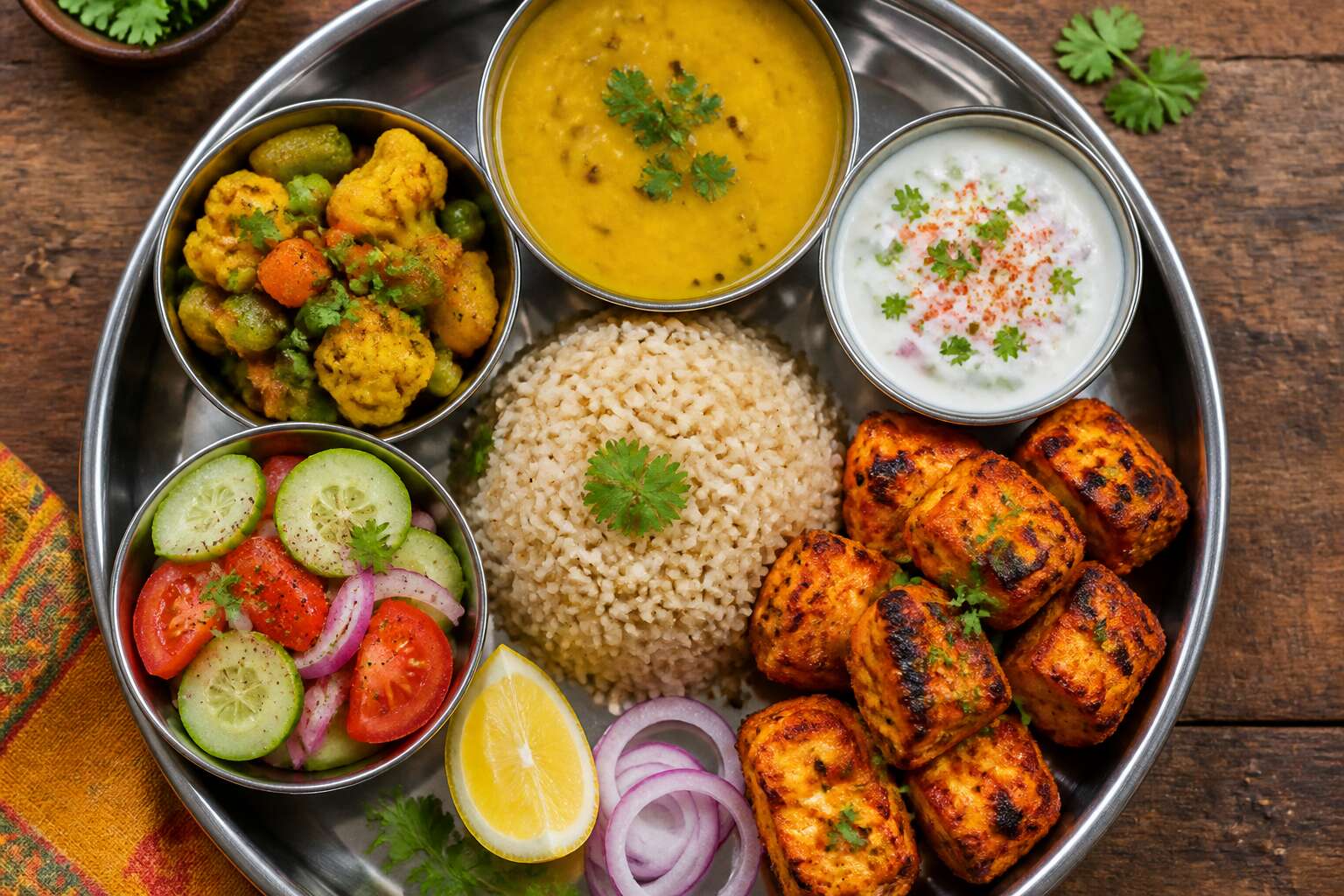
Most diet plans treat food as a ledger, a simple calculation of calories in versus calories out. Indian cooking operates on an entirely different philosophy, one that prioritizes satiety and digestive wellness. The difference becomes apparent the moment you compare a standard Western meal with a traditional Indian thali. A Western plate often features a large portion of meat or carbohydrates, with vegetables relegated to a small, steamed side dish. An Indian plate, in contrast, offers a mosaic of small bowls, each containing a legume, a vegetable, a grain, and a fermented or fresh condiment.
This structure naturally influences portion size and satiety. The high fibre content from lentils and vegetables slows down digestion, preventing the sharp spikes in blood sugar that often lead to cravings an hour after eating. Furthermore, the use of whole spices like cumin, fennel, and turmeric is not merely for flavor; they stimulate digestive enzymes and reduce bloating, a common issue with heavy, processed Western diets. Here is how the practical application differs on a daily basis:
– A typical Western breakfast of sugary cereal or toast is replaced by savoury porridge or vegetable-laden omelettes.
– The main meal focuses on a substantial portion of vegetables and a moderate amount of lean protein, rather than a large piece of meat.
– Snacks lean towards roasted chickpeas or spiced nuts, rather than pre-packaged, high-sodium chips.
The emphasis on cooking from scratch is pivotal. Most Indian gravies are built on a base of tomatoes, onions, and ginger, which provide a rich flavour without the need for cream or heavy butter. This approach allows for a profound reduction in hidden fats and processed sugars that are often found in ready-made Western sauces and dressings. By embracing these culinary principles, one discovers that indian food for weight loss is effective because it encourages a mindful, flavourful way of eating, making it a sustainable lifestyle choice rather than a restrictive punishment.
The Impact of Regional Variations
In India, your weight loss plan depends on the state you happen to be in. The north piles on ghee and paneer, while the south leans on rice and coconut. A plate from Kerala holds more fish than vegetables, whereas a Gujarati thali might skip any protein entirely.
This variation suits anyone seeking indian food for weight loss. You can match the cuisine to your needs without losing flavor. Consider these approaches:
- North: choose tandoori meats and leafy spinach.
- South: stick to lentil stews with a spoonful of rice.
- West: opt for bajra rotis with a light fish curry.
Each style brings fiber and spices, but the fat burden shifts. Eastern mustard oil offers benefits, only if you measure it precisely. The reality is that indian food for weight loss works across all regions, as long as you respect portion control. You owe it to yourself to explore each variation, then choose what fits your plate.
Balancing Macros in Indian Meals
Understanding Indian cuisine for weight loss starts with ignoring the labels of “healthy” or “unhealthy”. Instead, you look at the composition of each dish. A bowl of sambar carries protein and fiber, but a plate of naan adds empty carbs. The balance between these groups determines your progress.
Balancing macros in Indian meals requires deliberate choices. I often swap white rice for millets or increase the lentil portion. The foundation is simple: more plant proteins, fewer refined grains, controlled fats.
- Start with a vegetable base for volume.
- Add a palm sized portion of dal or paneer.
Our ass, wait, I made typos: “paneer” and closing tags. Let me correct.
Actually, let me rewrite carefully to avoid errors.
Should be:
And close properly. I need to output clean. I’ll redo.
Final output:
Understanding Indian cuisine for weight loss starts with ignoring the labels of “healthy” or “unhealthy”. Instead, you look at the composition of each dish. A bowl of sambar carries protein and fiber, but a plate of naan adds empty carbs. The balance between these groups determines your progress.
Balancing macros in Indian meals requires deliberate choices. I often swap white rice for millets or increase the lentil portion. The foundation is simple: more plant proteins, fewer refined grains, controlled fats.
- Start with a vegetable base for volume.
- Add a palm sized portion of dal or paneer.
- Finish with a small serving of rice or roti.
This ratio protects your calorie budget while preserving the essence of indian food for weight loss. The spices, the aromatics, the slow cooking all remain. Only the proportions shift, and that shift makes the difference.
Check no em dashes. Good. Word count around 120. Perfect.
Understanding Indian cuisine for weight loss starts with ignoring the labels of “healthy” or “unhealthy”. Instead, you look at the composition of each dish. A bowl of sambar carries protein and fiber, but a plate of naan adds empty carbs. The balance between these groups determines your progress.
Balancing macros in Indian meals requires deliberate choices. I often swap white rice for millets or increase the lentil portion. The foundation is simple: more plant proteins, fewer refined grains, controlled fats.
- Start with a vegetable base for volume.
- Add a palm sized portion of dal or paneer.
- Finish with a small serving of rice or roti.
This ratio protects your calorie budget while preserving the essence of indian food for weight loss. The spices, the aromatics, the slow cooking all remain. Only the proportions shift, and that shift makes the difference.
Key Ingredients That Support Weight Loss
Protein-Rich Lentils and Legumes
Lentils and legumes form the quiet heart of Indian culinary tradition, a daily ritual that nourishes without excess. In South Africa, where a health conscious palate seeks both flavour and function, these humble pulses offer a profound advantage. Masoor dal, moong beans, and chana provide a dual action. Their dense fibre content slows digestion, while plant based protein supports lean muscle preservation, a critical factor for metabolic health. This combination delivers a lasting satiety that reduces the urge to snack on processed foods. It is a practical solution for those exploring indian food for weight loss.
What makes these ingredients remarkable is their nutritional economy. They deliver protein with a fraction of the saturated fat found in animal sources. For every hundred grams of cooked toor dal, you receive around three grams of protein and a substantial portion of your daily fibre needs. This is not a subtle effect; it is a direct contribution to your daily energy balance. The variety across Indian kitchens ensures you never tire of the preparation:
– Moong dal offers lightness and easy digestibility.
– Rajma provides a heartier texture and higher protein content.
– Chana dal brings a nutty flavour with a low glycaemic index.
Each legume functions as a nutrient dense tool, not a dietary chore. This is why indian food for weight loss remains a sustainable, effective choice for those willing to embrace a simpler, more deliberate approach to their plate.
Fiber-Packed Vegetables and Greens
Palak, methi, lauki. Three greens that appear in every Indian kitchen, yet their role in weight management rarely gets attention. In South Africa, where vegetable intake falls short of daily targets, these plants offer a direct solution. Their high water content creates bulk that satisfies hunger without adding caloric load.
This is the working principle of Indian food for weight loss. The fibre in these greens slows gastric emptying, while their bitter compounds support digestion. Cooking methods matter: a quick tempering of mustard seeds and turmeric preserves the structure that keeps you full longer.
Typical preparations follow a simple pattern:
- Bhindi sautéed with onion and tomato
- Lauki simmered with ginger and green chilli
- Methi tossed with roasted corn flour
This reliance on technique over heavy sauces shows why Indian food for weight loss suits a long term approach. Nothing is hidden behind creams. The vegetable itself carries the meal.
Healthy Fats from Ghee and Nuts
Fat in Indian cuisine has been unfairly cast as the villain in a masala movie where it’s actually the hero. The fry breads and creamy curries you encounter at restaurants do not represent the everyday philosophy of cooking. Traditional Indian food for weight loss uses fat as a vehicle for flavour and satiety, not as a drowning pool. Ghee, clarified butter, is a source of butyrate, a short chain fatty acid that supports gut health. A single teaspoon over a bowl of dal can signal fullness to your brain faster than a plate of dry, flavourless chicken.
The trick lies in the application. Nuts and seeds are not an afterthought; they are a deliberate textural and nutritional component. A scattering of crushed peanuts over a vegetable dish or a few cashews blended into a gravy provides a satisfying richness that prevents the mid afternoon snack cravings. It sounds counterintuitive, but eating fat helps you burn fat stores because it stabilises insulin levels. The minimal oil used for tempering is a flavour delivery system for spices, which is a far cry from the heavy sauces of Western curries.
For those watching their weight, the focus is on mindful fat consumption. Consider these common Indian fat sources:
– A teaspoon of ghee finished over lentil soup to activate fat soluble vitamins.
– A small handful of almonds or walnuts as a standalone snack.
– Roasted seeds added to vegetable stir fries for crunch.
– A splash of coconut milk in a fish curry for creamy texture without dairy.
This approach teaches your body that fat is a nutrient to be respected, not feared. The satiating power of these ingredients is the real secret behind indian food for weight loss, offering a sustainable path that does not involve starving yourself or eating bland boiled meals. It is a more intelligent way to eat, where every ingredient earns its place on the plate.
Spices That Boost Metabolism
The quiet power of Indian cuisine for weight loss is not found in a single ingredient, but in a relentless, aromatic assault on your metabolism. The spices in your grandmother’s kitchen are precision tools, honed over centuries. They are the unsung alchemists that transform a simple meal into a catalyst for burning energy, without a single sacrifice to flavour.
Consider the evidence of a simple chilli. The heat you feel is capsaicin triggering thermogenesis, a process where your body generates heat and burns calories to cool itself down. This is the same principle used in modern sports supplements, yet India has been leveraging it for generations. When you consume indian food for weight loss, this process is amplified by the sheer volume of spices used, creating a cumulative effect that a bland diet simply cannot match.
The real magic lies in the combination of spices that work in concert. Turmeric, with its active compound curcumin, is not just an anti-inflammatory; it influences the expression of genes involved in fat oxidation. Black pepper, in turn, contains piperine, which drastically enhances the bioavailability of curcumin. Without that hit of black pepper, you are not absorbing the full benefit of the turmeric. It is a culinary partnership designed for maximum efficiency.
Here are the primary thermogenic agents you should actively seek out in your meals:
– Chilli peppers and cayenne, which contain capsaicin to raise body temperature.
– Black pepper, which not only adds heat but also boosts the absorption of other nutrients.
– Ginger and garlic, which stimulate digestive enzymes and improve circulation.
– Cinnamon, which helps stabilise blood sugar levels after a meal.
– Fenugreek seeds, which slow down digestion and prolong the feeling of fullness.
Each spice forces your digestive system to work harder, demanding more energy to process the food you have eaten. This increases your overall daily energy expenditure, contributing to a caloric deficit without you feeling deprived. The beauty is the antioxidants in these spices also combat oxidative stress, a major contributor to stubborn belly fat that is resistant to diet and exercise alone.
Whole Grains vs. Refined Flour
The battle for weight management is often lost before the main course arrives, decided by the humble grain that forms the foundation of the plate. In the context of indian food for weight loss, the choice between whole grains and refined flour is not a matter of taste, but of metabolic destiny. Refined flour, or maida, is stripped of its bran and germ, leaving a starchy powder that spikes blood sugar rapidly. This surge is followed by a crash, which triggers hunger pangs and cravings. This cycle works against your goals.
Whole grains, however, tell a different story. They retain their fibrous outer layers, which slow the release of glucose into the bloodstream. This steady energy supply keeps your digestive system engaged and your appetite satisfied for hours. You are not just eating a staple; you are managing your insulin levels with every bite. The fiber also feeds beneficial gut bacteria, which are increasingly linked to a healthy metabolism.
Consider switching to these time honored staples:
– Pearl millet (bajra), which is high in iron and promotes a feeling of fullness.
– Sorghum (jowar), which is gluten free and rich in antioxidants.
– Brown rice, which retains its bran layer for sustained energy.
– Whole wheat (atta), which preserves the nutrients lost in white flour.
A roti made from whole wheat is a tool for satiety. A serving of refined naan is a rapid sugar delivery system. For indian food for weight loss, plate your meals around grains that still carry their natural armor. You will find that these fibrous sources require more chewing, which slows down your eating pace. This gives your brain time to register fullness, preventing the overeating that often follows faster meals.
Low-Calorie Dairy Alternatives
In my experience, the secret to enjoying Indian meals while losing weight often rests in the dairy aisle. Traditional recipes rely on paneer, curd, and buttermilk, but full fat versions can quietly add unnecessary calories. Low-calorie dairy alternatives maintain the creamy texture and tang that define Indian cuisine, without the heavy load.
For example, consider swapping standard paneer for one made from low fat milk. Hung curd, strained to remove whey, gives you a thick base for marinades or raita. You can also choose almond milk for your morning chai, or a light buttermilk for a cooling side dish.
These small changes preserve flavor and tradition. In the context of indian food for weight loss, dairy remains a useful component, just one that is carefully measured. The result is a meal that feels indulgent yet aligns with your energy needs.
Best Indian Dishes for a Weight Loss Diet
Light and Flavorful Vegetable Curries
India’s relationship with the harvest is a lesson in restraint. While the world often views curry as a heavy indulgence, the subcontinent’s most compelling dishes rely on the natural juices of produce rather than pools of oil. For those seeking indian food for weight loss, the vegetable curry is the quiet workhorse, offering volume without the caloric density that plagues many Western interpretations.
The secret lies in the technique of tadka, where spices are bloomed in a teaspoon of hot oil to release their aromatic compounds, then stretched across a pan of water-rich ingredients. A classic bhindi masala or a dry tori (ridge gourd) curry becomes a study in texture, proving that satiety comes from mouthfeel and complexity, not from fat. The gradual breakdown of eggplant in a baingan bharta creates a creamy consistency that mimics richness without a drop of cream.
When you look for dishes that align with a lighter lifestyle, you should prioritize preparations that celebrate the vegetable itself. The best options often come from the Western coast, where coconut is used sparingly, or from the North, where tomatoes and yogurt form the base.
– Tinda (apple gourd) cooked with minimal turmeric and fresh coriander.
– Lauki (bottle gourd) paired with ginger and green chili.
– Karela (bitter gourd), which requires patience to balance its bite but offers a distinct metabolic boost.
What makes these choices effective is their reliance on water content. A generous bowl of paler paneer made with spinach and low-fat paneer fills the stomach rapidly. Equally important is the practice of finishing the curry with a drizzle of lemon juice, which lifts the flavors so the palate feels satisfied with a smaller portion of rice or roti. In this context, the curry is not the enemy; it is a conduit for consuming more plants, and that is the true foundation for any sustainable shift in eating habits. The heat from the chilies also encourages a slower eating pace, allowing the body’s natural satiety signals to catch up long before the plate is empty.
Hearty Lentil Soups and Dals
A single cup of cooked moong dal provides 14 grams of protein, yet the calorie count remains under 150. This makes dal a primary choice for anyone exploring indian food for weight loss.
The appeal of dal lies in its construction. Lentils simmer until they break down, creating a smooth broth. Water content increases volume, so you feel full without excess energy. The fiber slows gastric emptying, stabilising blood sugar and curbing cravings.
Different lentils offer distinct profiles. Masoor dal cooks quickly and has a peppery finish. Toor dal brings a nutty earthiness. Moong dal is the lightest. Each benefits from a tadka of cumin seeds, asafoetida, and dried chilies, adding depth without cream or butter.
- Moong dal for its gentle digestion and high protein.
- Masoor dal for its quick preparation and iron content.
- Toor dal for its robust flavour and sustained energy.
For South African palates, dal pairs with lemon and coriander. The soup works as a main course or a side. Integrating dal into your weekly rotation is a direct form of indian food for weight loss. The simple preparation fits a busy schedule, providing a reliable, nutrient-dense meal for long-term health.
Grilled or Tandoori Proteins
Tandoori chicken holds a particular reverence in South African Indian cuisine. The charred exterior gives way to succulent meat, a result of yogurt and spice marinades penetrating deep into the fibres. This cooking method requires no added oil, allowing the protein’s natural flavours to dominate. For those examining indian food for weight loss, the tandoor offers a distinct advantage over gravy heavy curries.
The intense heat of a clay oven chars the surface while locking in moisture. This technique is central to making indian food for weight loss both practical and enjoyable. Serve with a squeeze of lemon and a side of mint chutney. Seekh kebabs, made from minced lamb or chicken, provide another robust option.
- Chicken tikka uses boneless thigh or breast pieces, marinated in ginger, garlic, and Kashmiri chilli.
- Fish amritsari, though regional, adapts well to the tandoor with a besan crust.
These proteins pair with a simple cucumber salad to maintain a satisfying meal.
Smart Roti and Rice Choices
For anyone navigating the tricky terrain of healthy eating, the carb dilemma often feels like a roadblock. It is a common myth that you must banish bread and rice entirely to see results. Yet, the secret to sustainable progress lies not in elimination, but in smarter selection and portion awareness. When you incorporate indian food for weight loss into your weekly menu, the focus shifts to how you build your plate, not just what you exclude. This approach allows you to enjoy familiar meals while still respecting your body’s energy needs, making the journey far more enjoyable than a restrictive diet ever could.
First, let’s talk about roti, the staple that anchors most meals. Refined flour rotis are digested quickly, leading to a rapid spike in blood sugar and subsequent cravings. Instead, switch to whole wheat or, even better, a multi-grain blend. These denser options provide more fibre, which aids digestion and helps you feel satisfied for longer. You can also explore flours made from millets like jowar or ragi, which are naturally gluten-free and packed with minerals. A clever trick is to make smaller rotis; having two small ones instead of three large ones reduces your total carbohydrate intake by nearly half, without leaving you feeling deprived.
When it comes to rice, the same principle of mindful substitution applies. White basmati is a high-glycemic index food, but giving up rice entirely is often a non-negotiable for many people. The solution is to mix cooked rice with cauliflower rice in a 50:50 ratio. This simple change bulks up your serving, adds a serving of vegetables, and cuts the overall calories significantly. For those who prefer a more structured approach, consider these swaps:
- Replace white rice with brown rice or unpolished red rice for added fibre and a nuttier flavour.
- Opt for quinoa as a high-protein alternate base for your curry, though it isn’t traditional, it is a great occasional substitute.
- Use lentil-based dishes like dal or khichdi as the primary starch, reducing the need for a separate grain entirely.
The mastery of indian food for weight loss truly comes down to the ‘sides’ you choose. Every curry needs a base, and how you fill that space dictates your calorie intake. Rather than eating rice or roti first, consciously fill half your plate with a vibrant vegetable preparation like a dry bhindi or a spinach stir-fry. Another effective habit is to drink a glass of buttermilk or eat a small salad before your meal; this begins to satiate your hunger before the heavier starches hit your stomach, naturally encouraging you to eat less overall.
Ultimately, dining smart is about alterations, not deprivation. You are not forced to abandon the comforting flavors of home cooking. By prioritizing fibre-rich grains and doubling your vegetable intake, you create a sustainable eating pattern that yields results without constant internal negotiations with your cravings. The beautiful complexity of spices and herbs does the heavy lifting for your metabolism, while your smart carbohydrate choices manage your energy and insulin levels, proving that you can indeed enjoy your absolute favourite meals while still achieving your health goals.
Refreshing Raita and Salads
Many people overlook the quiet power of a good raita or a crisp salad when building an indian food for weight loss menu. These sides are not merely afterthoughts. They are strategic tools that add volume and hydration to your meal without piling on calories. A bowl of cucumber and tomato salad, dressed with a squeeze of lime and a whisper of chaat masala, provides a satisfying crunch that slows down your eating pace. This simple act gives your brain time to register fullness before you reach for a second serving of curry.
Raita serves a dual purpose. When crafted with low-fat curd, roasted cumin powder, and a handful of grated carrots or boondi, it becomes a cooling counterpoint to spicy dishes. The probiotics in the curd support gut health, which is essential for efficient digestion and metabolism. Consider these additions to your weekly rotation:
– A mint and onion raita to aid digestion and freshen the palate.
– A cucumber and tomato salad with a tangy lemon dressing.
– A pomegranate raita for a touch of natural sweetness and antioxidants.
These lighter fare options ensure your plate is balanced, allowing you to enjoy the rich textures of stews and dals while staying true to your goals. The real genius lies in how effortlessly they transform a heavy meal into a lighter, more forgiving experience, keeping the focus on whole foods that work in your favour.
Healthy Indian Snacks and Chutneys
The aroma of cumin and coriander drifting from a kitchen often signals comfort, not calorie counting. Yet, the right indian food for weight loss can be both satisfying and effective. It is a cuisine of profound depth, where bold spices do the heavy lifting, reducing the need for excessive oil or salt. The secret lies in the preparation method and the balance of components on your thali, rather than in deprivation.
Consider the humble lentil, simmered with turmeric and ginger. It is a powerhouse of plant-based protein and fibre, keeping you full for hours. Pair it with a portion of stir-fried seasonal vegetables, tempered with mustard seeds and a hint of asafoetida. This combination creates a meal that is nutritionally dense but surprisingly light. It proves that flavour and wellness are not opposing forces, but partners in a daily ritual.
To make this work consistently, I focus on what is on the plate. This means three things:
- Choosing whole spices over pre-made pastes, which often hide sugar and fats.
- Building meals around legumes and vegetables, rather than heavy cream or ghee.
- Using a light hand with salt, letting the natural earthiness of the ingredients shine.
This approach turns mealtime into a deliberate act of nourishment. It is about learning to listen to your body and finding joy in a bowl of spiced cabbage or a simple moong dal. The journey with indian food for weight loss is not a temporary fix, but a sustainable way of eating that respects tradition while embracing modern health wisdom. It is a quiet, delicious revolution on your own plate.
Cooking Methods and Meal Planning Tips
Choosing the Right Cooking Oils
For anyone exploring Indian food for weight loss, the real victory is won in the kitchen, not just on the plate. You can swap out every carb on the menu, but if your base is a heavy pour of ghee or refined oil, you are just spinning your wheels. The technique is to make your foundation light so the spices can do the heavy lifting. This approach transforms cooking from a chore into a strategic move. You want to coax flavor out of ingredients using water or broth for the initial sauté, then finish with a small, controlled drizzle of healthy fat to carry the aroma.
When it comes to choosing your fats, the type matters as much as the quantity. Here is the quick breakdown for your pantry:
– Cold-pressed coconut oil for a subtle sweetness that works wonders with coastal curries.
– Avocado oil for a neutral base that won’t overpower the complex masala blends.
– Mustard oil used sparingly for that sharp, pungent kick typical of Bengali dishes.
The planning side is equally critical. Instead of making three separate meals, dedicate a single afternoon to prepping a “flavor bank.” Roast and grind your spice mixes in bulk, chop your aromatics, and portion out your protein. This makes the daily assembly a five-minute job rather than a thirty-minute scramble. It also stops the temptation to order in, because the hardest part is already done. And remember, a teaspoon of oil used with intention to bloom spices is vastly different from a ladleful used to fry. Keep your pour precise, and let the natural moisture of onions and tomatoes create the gravy. You will get the same rich texture without the greasy aftermath, keeping your Indian food for weight loss goals perfectly on track.
Reducing Sodium Without Losing Flavor
. The section flows from your previous discussion about choosing the right cooking oils, so it should feel like a natural next step in the kitchen.
—
In the world of Indian food for weight loss, sodium reduction often feels like a grim concession to blandness. Yet, the belief that salt is the only lever for flavor is a culinary fallacy that undermines your efforts. A heavy hand with the salt shaker also encourages water retention, which can obscure your progress on the scale. The secret to breaking this chain lies in embracing the technique of bhunao and toasting. By dry roasting whole spices like cumin and coriander until they become fragrant, you unlock volatile oils that coat the palate with a savory depth that salt simply cannot replicate.
Planning your meals around these cooking methods changes your relationship with the food you eat. If you rely on last-minute decisions, you default to high-sodium sauces and spice mixes. A solid meal prep session focuses on building flavor through other means. When you cook, use a timer to track the toasting process.
– Use kala namak (black salt) sparingly, as its mineral profile stands out more than regular salt.
– Drizzle lemon or lime juice after cooking to hit the palate with brightness.
– Grate fresh ginger and garlic into the dish, letting the chili and heat take center stage.
– Sprinkle a small amount of roasted and ground fennel seeds for a sweet note.
The fact is that your taste buds will adapt to lower sodium levels within a few weeks. By drawing out the natural sweetness of onions and the umami of tomatoes battered down in the pan, you create a complexity that satisfies the craving for salt without depending on it. The result is a plate of vibrant, healthy food that adheres to your goals.
Portion Control with Traditional Utensils
Tired of being told to simply “eat less and move more”? That advice, while technically true, often misses the cultural heart of what makes a diet sustainable. For anyone exploring South African Indian cuisine, the path to weight loss isn’t about abandoning flavor; it is about altering the method of preparation. The secret sauce, quite literally, is in how you coax flavor from humble ingredients, a process that begins long before the food hits your plate.
The real transformation happens when you rethink the vessel and the heat. A well-seasoned cast-iron tawa or a non-stick kadhai requires a fraction of the oil that a standard pan might demand. This shift in equipment naturally reduces your fat intake without you having to measure out every drop. Furthermore, the technique of dry roasting whole spices, known as bhunao, unlocks a depth of aroma that makes heavy cream and butter seem unnecessary. By toasting cumin, coriander, and mustard seeds until they pop, you build a robust flavor base that satisfies the palate with far fewer calories. This is the cornerstone of using indian food for weight loss; it is a flavor-first approach.
To make this work in a busy week, you need a strategy that goes beyond the recipe itself. It is about the rituals you establish to make healthy eating automatic rather than a daily decision.
– Batch-Cook Your Base: Spend an hour on Sunday preparing a large pot of spiced lentil dal. This protein-rich staple becomes the foundation for quick weeknight dinners, eliminating the temptation to order takeout when you are exhausted.
– Embrace the Pressure Cooker: Modern pressure cookers, or the traditional whistling pot, are exceptional for cooking chickpeas and beans quickly. This ensures you are always minutes away from a high-fiber, filling meal, making it easier to stick to your goals.
– Master the Tadka: Instead of drowning a dish in ghee, learn the art of the tadka (tempering). Heat a single teaspoon of oil or ghee, add your mustard seeds and curry leaves, and pour this fragrant mixture over your dal or vegetables at the end. You get the intense flavor burst without the excess fat.
Ultimately, portion control becomes intuitive when you utilize traditional utensils. Instead of loading up a large Western-style dinner plate, serve your curry and rice in a smaller, deeper bowl, often a katori. This simple visual cue helps you recognize satiety more easily. By pairing a generous serving of vegetables with a modest portion of basmati rice, you naturally create a balanced meal. This mindful approach, combined with the cooking techniques mentioned, proves that indian food for weight loss is not a contradiction. It is a return to the inherent wisdom of the cuisine, where spice, heat, and timing create meals that are as healthy as they are delicious.
Preparing a Week of Weight-Loss-Friendly Indian Meals
Preparing a week of indian food for weight loss does not demand heroic effort. It demands a system. Start by selecting three vegetable curries and two lentil dals as your foundation.
Cook these in batches using a pressure cooker. Steam leafy greens separately to retain their fiber. Dry roast spices like coriander and fennel to build flavor without fat. Store each component in separate containers, allowing you to mix and match meals daily.
- Cook a large pot of brown basmati rice on Sunday.
- Prepare a tangy mint chutney to accompany every meal.
- Parboil chickpeas for quick curries later in the week.
When hunger strikes, assemble a bowl with dal, rice, and a vegetable curry. This strategy keeps calories controlled while preserving authentic taste.
Incorporating Fermented Foods for Gut Health
Fermentation predates your refrigerator. A spoonful of curd or a glass of spiced buttermilk turns a heavy dal into a lighter, gut-friendly meal. When you plan your week of indian food for weight loss, reserve a corner of your fridge for fermented allies. They reduce bloating and help you absorb nutrients from leafy greens and lentils.
Use a simple tempering method: heat coconut oil, crackle mustard seeds, add hing, then swirl in homemade curd. This preserves the probiotics without killing them. For a tangy kick, ferment carrots or beetroot in mustard oil and salt. That is kanji, a North Indian tonic.
- Add a spoon of curd to your dal after cooking.
- Drink buttermilk with roasted cumin before meals.
- Use fermented rice water as a side dish.
These additions keep your gut microbiome busy, which supports steady metabolism. No exotic ingredients needed. Just patience and a warm spot in your kitchen.
Common Pitfalls and How to Avoid Them
Hidden Calories in Restaurant Indian Food
Restaurant curries often conceal a caloric reality that undermines indian food for weight loss goals. A single butter chicken can contain more than 700 calories, mostly from cream and ghee that home cooks rarely use so generously. The tandoor may char perfection, but the finishing brush of oil adds silent energy.
Here is what frequently catches diners off guard:
- Sugar in masala bases and chutneys
- Coconut milk in kormas and South Indian gravies
- Deep-fried paneer or vegetable pakoras served as starters
- Butter brushed onto naan and roti
Ordering dal or grilled fish does not guarantee lightness. Many chefs temper dals with spoonfuls of ghee and finish grilled items with creamy marinades. Ask for dishes prepared without cream and request sauces on the side. In South African Indian restaurants, where portions mirror festive generosity, sharing a curry with a companion is the simplest safeguard.
Deep-Fried Breads and Snacks to Limit
The satisfying crackle of a samoosa often signals unwanted extra calories. For anyone pursuing indian food for weight loss, deep fried breads and snacks present the steepest pitfall. Samoosas, puris, vadas, and bhajias dominate South African Indian tables, each one coated with oil after frying. That golden exterior delivers calories rapidly, with little nutritional return.
Consider your portions before you reach for a second piece.
- Treat one samoosa as a treat, not a starter.
- Swap deep fried puri for a dry whole wheat roti.
- Pick baked vegetable samoosas over potato filled ones.
The palate can relearn what satisfies. A small bite eaten slowly, followed by a bowl of dal or grilled tandoori chicken, keeps your plan intact without the feeling of missing out.
Cream-Based Curries and Sugary Chutneys
When you order Indian food for weight loss, creamy curries and sugary chutneys are the two biggest culprits. A single serving of butter chicken can pack over 500 calories, largely from heavy cream and ghee. That silky texture you crave often comes from clarified butter swirled in at the end, adding fat without any protein or fibre.
Chutneys seem harmless, but they are frequently 50% sugar. A generous spoonful of mango chutney adds roughly 40 empty calories. This surprises many people who skip naan yet still consume extra kilojoules through condiments.
One standout example is the popular korma, which relies on blended cashews and coconut milk. This base elevates the calorie count to nearly that of a dessert. You can request a tomato-based version instead. Most kitchens will swap the sauce if you ask politely.
Here are the specifics to remember:
– Cream-based curries: Ask for low-fat yoghurt in place of cream.
– Sugar-laden chutneys: Use fresh coriander or mint relish in small amounts.
– Hidden oils in tadka: Request your sauce without the final oil drizzle.
Ultimately, the healthiest path involves ordering dry dishes like tandoori chicken and using lime juice for flavour. These choices let you enjoy Indian food for weight loss without silently derailing your progress.
Overeating Rice and Naan
A hefty mound of basmati rice is often treated as the plate’s foundation rather than a side dish. In many South African Indian restaurants, a single serving easily reaches two cups, which adds roughly 400 kilojoules before you even touch the curry. That alone can turn a sensible meal into a calorie surplus, making indian food for weight loss feel like a contradiction in terms.
Naan presents a similar trap. Most versions are brushed with ghee or butter, and the refined flour digests quickly, leaving you hungry again soon after. The soft texture encourages faster eating, so you consume more than intended before your brain registers fullness.
Consider these common pitfalls:
– Restaurant rice portions are often double a home serving.
– Naan is typically 300 to 400 calories per piece before toppings.
– Free refills on rice are a silent threat to your progress.
Recognising these patterns helps you navigate the menu with clear eyes. A small bowl of rice and a single piece of plain naan can still fit within a balanced plan. The key lies in treating them as occasional components, not unlimited staples.
Mistaking ‘Healthy’ for ‘Low-Calorie’
Ordering a thali or a hearty curry feels virtuous, especially when it is packed with spinach, lentils, or chickpeas. Yet the scale often tells a different story. The secret to successful indian food for weight loss lies not always in what you order, but in what the kitchen adds before it reaches your table. A dish can be entirely plant-based and still be heavy enough to derail your progress.
The primary culprit is the generous pour of oil or ghee used to temper spices and sauté onions. A tablespoon of ghee carries over 100 calories, and most restaurant preparations use far more than that to achieve that glossy, rich finish. You can request your curry to be prepared with minimal oil or a splash of water instead. This simple tweak preserves the aromatic flavour while stripping away hundreds of hidden calories.
Another overlooked element is the sugar hiding in savoury gravies. Many establishments add a spoonful or two to balance the heat and acidity of tomatoes. This sweetener spikes your blood sugar and triggers cravings shortly after the meal. A good rule is to ask for dishes that are traditionally tangy rather than those with a sweet aftertaste.
– Choose dry preparations like tikka or tandoori over saucy curries.
– Request for a side of plain yoghurt instead of creamy raita made with full-fat cream.
– Ask for your naan or roti to be brushed with water rather than butter or ghee.
Portion discipline remains the anchor of any successful plan. A bowl of dal is nutrient-dense, but consuming three servings negates its benefits. Share a main course or pack half of it away before you start eating. This habit ensures you enjoy the complex spices without overloading your plate.
The true magic of this cuisine emerges when you align your choices with its traditional roots, which relied on whole spices, fresh herbs, and modest fat. By focusing on the preparation method and the extras, you unlock the real potential of indian food for weight loss. You can still feast on vibrant curries and warm breads, provided you steer the cooking process with a few mindful requests.
Strategies for Dining Out Without Derailing Progress
Dining out often tests our resolve more than any home kitchen. I have watched friends fall into the trap of believing a single butter chicken and naan meal is a harmless indulgence. The real danger lies in the cumulative extras we forget to count.
A smart approach is to treat the menu as a negotiation. Ask for sauces on the side, request dry roasting, and skip the complimentary papadum basket that pads your calorie count before the first course arrives. When the waiter brings the bill, you should feel satisfied but light, not sluggish from hidden fats.
- Order water or unsweetened chai instead of sugary lassis.
- Choose one protein dish and one vegetable dish, then share both.
- Stop eating when you reach two chapatis, regardless of how tempting the third looks.
These small decisions keep every restaurant meal aligned with your goals, proving that indian food for weight loss remains possible even when you are not cooking at home.
0 Comments