
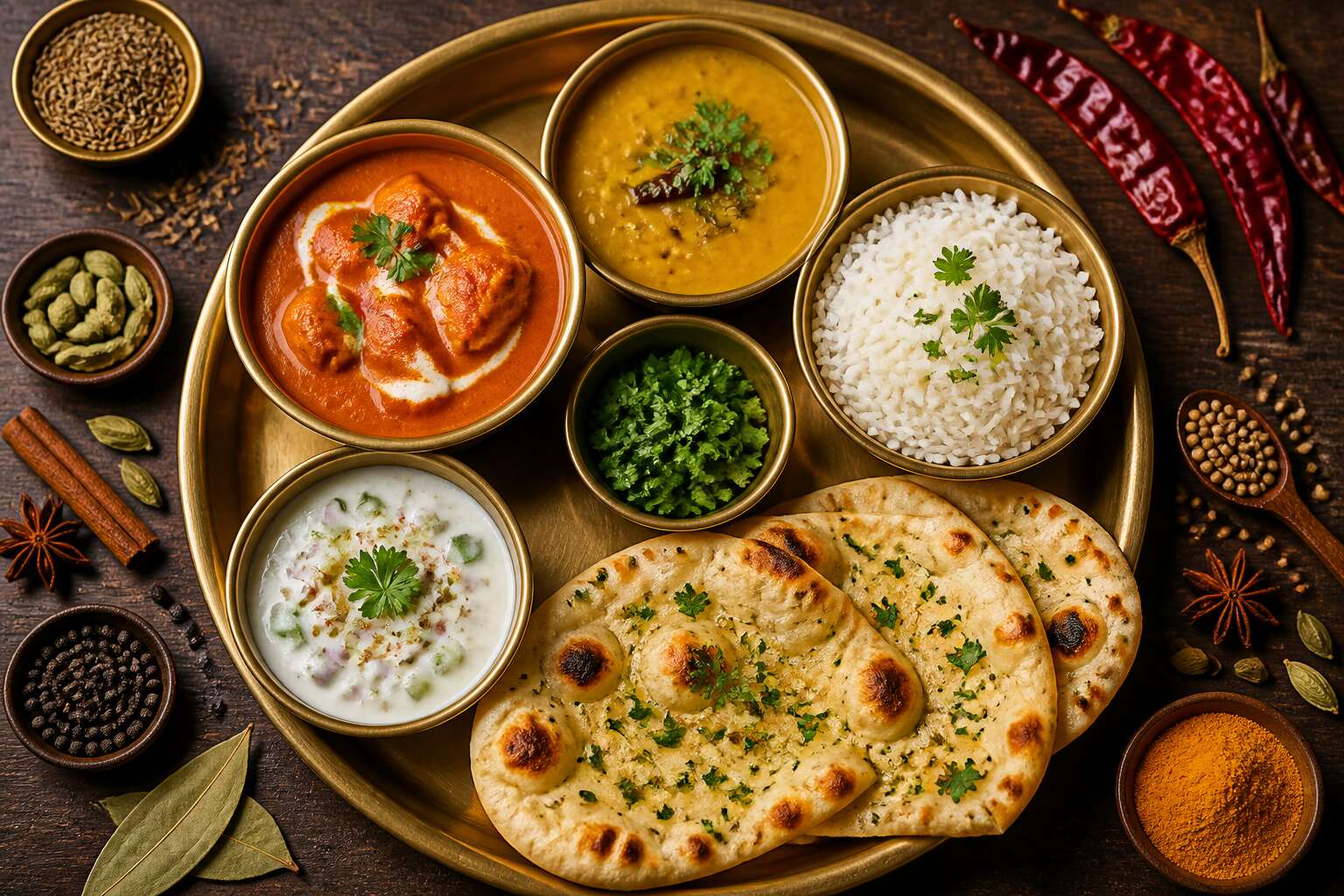
Building Your Pantry
Must-Have Spices
A well stocked spice drawer is the foundation of Indian cooking. For anyone exploring indian food for beginners, the essential spices are fewer than you expect. Cumin, coriander, turmeric, and black mustard seeds appear constantly. They define the flavours.
Toast these whole spices gently. The change is immediate. Fragrance fills the room. Your hands feel the heat. That sensory cue matters more than any timer.
- Cumin seeds
- Coriander seeds
- Turmeric powder
- Black mustard seeds
These four carry a beginner through dal, vegetable curries, and simple rice. Once familiar, you might add fenugreek or asafoetida. But the first time you grind your own cumin, you learn something about control. The aroma does not lie. You trust your nose instead of your memory.
Grains and Lentils
nearly half of India’s farmland is devoted to growing rice, a grain central to daily life. For those exploring indian food for beginners, a simple bag of basmati transforms the ordinary into ritual. The long, slender grains need gentle washing and a patient soak. They should not be rushed. That waiting time allows the rice to cook evenly, each kernel separate and fragrant. While any rice works, the basmati offers a floral note that carries a curry beautifully.
Lentils are the quiet heart of many meals. They are affordable and forgiving. A pot of dal barely requires attention, yet it delivers comfort. In my own kitchen, a handful of toor dal and a spoon of ghee often becomes the most memorable part of the evening. For a beginner, certain varieties are particularly welcoming.
- Toor dal, yellow and split, breaks down into a silky stew.
- Masoor dal, the red lentil, cooks quickly without any soaking.
- Chana dal, split chickpeas, holds its shape and adds a nutty bite.
Understanding these textures takes time. When you cook, pay attention to the water level and the sound of the simmer. The grains and lentils absorb spices in their own way, so your earlier work with tempering pays off here. The meal becomes more than fuel. It becomes a lesson in patience, and the reward is a bowl of warmth that needs little else.
Fresh Aromatics
Fresh aromatics form the foundation of every Indian dish. The sizzle of cumin in hot oil means little without the fragrant base of onions, garlic, and ginger. In my Johannesburg kitchen, I keep these essentials within arm’s reach, and chopping them becomes a ritual.
For those exploring indian food for beginners, the aromatics matter more than any single spice. A thumb of ginger, a few garlic cloves, and a green chili transform a simple tomato base into something alive. Curry leaves add a citrusy pop no other herb replicates.
Keep these staples ready:
- Fresh ginger root, unwrapped
- Garlic cloves, peeled in oil
- Green chilies, whole in a jar
- Coriander, stems and all
- Curry leaves, frozen if needed
The way these ingredients hit hot oil determines the meal’s character. Burn the garlic and the dish turns bitter. Rush the onions and you lose the sweetness that balances heat. Patience wins.
Dairy and Alternatives
In most Indian kitchens, dairy is not an afterthought. It is the richness that rounds out spice. Paneer, a fresh cheese that does not melt, holds its own in saucy curries. Ghee brings depth when spooned over dal. For those exploring indian food for beginners, a block of paneer and a jar of ghee are the first essentials.
Yogurt acts as both cooling agent and marinade. It tenderises meat and tames masalas. But not every household relies on dairy. Coconut milk, cashew cream, and plant-based yogurts step in without losing texture. In South Africa, these alternatives sit on most supermarket shelves.
A basic dairy shelf might look like this:
- Paneer, refrigerated
- Ghee, room temperature
- Plain yogurt, unsweetened
- Coconut milk, canned
Condiments and Chutneys
Condiments complete an indian food for beginners pantry. Chutneys add acidity and heat to rice, roti, or grilled meat. I keep green chutney in the fridge for weekday meals. It improves a cheese sandwich in seconds.
Pickles and preserves last longer and bring sharpness. A South African kitchen can pair them with local breads and braais. A basic shelf includes:
- Mango pickle
- Mint and coriander chutney
- Tamarind chutney
- Chilli and garlic paste
Small jars suit a first purchase. A good condiment makes simple food feel complete.
Beginner-Friendly Dishes
Butter Chicken
Over 40% of first time visitors to Indian restaurants in Johannesburg order Butter Chicken. Its global popularity makes it the most approachable entry point into Indian food for beginners, a culinary gateway that sidesteps the intimidation of complex curries. The dish’s charm lies in its forgiving nature; it does not challenge your palate with aggressive heat or unfamiliar textures. Instead, it offers a smooth, creamy introduction that prepares you for more nuanced flavours ahead.
The velvety tomato base is the true workhorse here. It is neither fiery nor subtle, but perfectly balanced, creating a sauce that clings to every piece of chicken. This is a pragmatic choice for your first home attempt, because the sauce tolerates minor errors in spice measurement. This safety net makes the cooking process enjoyable rather than stressful, which is essential when you are just starting to explore this vast cuisine.
Understanding this dish involves a sensory appreciation:
- First, the sight: a rich, orange hue that promises comfort.
- Next, the aroma: a blend of warming spices that feels familiar.
- Last, the mouthfeel: a luxurious silkiness that coats the tongue gently.
This experience explains why Butter Chicken has moved from a regional specialty to a worldwide staple. For the South African palate, accustomed to hearty stews and braais, the texture feels instantly recognisable. You are not just eating a curry; you are sampling a piece of history that has adapted to global tastes. Therefore, it functions as the perfect first step in your journey, offering immediate gratification while leaving you curious about the diverse dishes that await your discovery.
Chana Masala
Chana Masala is the vegetarian option that deserves your attention. This chickpea curry delivers protein and fibre without requiring expensive cuts of meat. For South Africans who want to explore indian food for beginners, it offers a gentle entry point that costs very little to prepare.
The magic lies in the chickpeas themselves. They hold their shape during cooking while slowly absorbing the surrounding spices. The sauce is drier than Butter Chicken, yet it still coats each piece evenly. You get a completely different texture experience here, one that gives you something to bite into.
Here is what makes this dish approachable for indian food for beginners:
– Chickpeas are forgiving. They do not dry out or overcook easily.
– The spice level is moderate, with heat that builds slowly rather than hitting all at once.
– The ingredients are affordable and available at most grocers around the country.
This is honest home cooking. It fills you up without weighing you down, and it teaches you how spices work together without demanding perfection from the cook.
Vegetable Biryani
Biryani is the one dish that makes newcomers pause, because it looks complex and tastes like celebration. For the South African cook, it is a more patient undertaking than a quick curry, but the reward is a single pot filled with layers of scent and texture. Basmati rice, lightly fried onions, and vegetables are stacked and steamed together. The grains remain separate, each one infused with saffron or turmeric, while the vegetables soften into the mix.
This is different from the curries we have talked about so far. Those dishes have a sauce as the main event. Biryani is about the grain. For anyone exploring indian food for beginners, it demonstrates how rice can carry a meal on its own. The dish requires some care with timing, yet it is difficult to ruin completely.
Vegetable Biryani teaches patience, which is the real lesson here. The ingredients are simple, but the assembly matters. There is no rolling of dough or tempering of oil at a specific second. The cook works in stages, and each stage smells good enough to eat alone. That process builds confidence. The flavours are complex without being aggressive, making it a reliable choice for a family dinner.
Here is what makes this dish work for a novice cook:
– The rice provides a forgiving base that does not need constant stirring.
– The spices are layered, so the heat arrives gently rather than as a shock.
– The vegetables can be swapped for whatever is in season or on sale.
– The dish looks impressive on the table, which gives a beginner a sense of accomplishment.
The beauty of biryani lies in its restraint. Nothing screams for attention, yet every forkful offers a quiet combination of earthiness and warmth. It is a lesson in how spice can perfume a meal without dominating it. For those learning indian food for beginners, this dish proves that complexity does not require a long list of rare ingredients. It requires an understanding of proportion and a little trust in the steam.
Palak Paneer
Palak Paneer is the dish that teaches a novice cook to trust the blender. Spinach, that leafy green which dominates South African market stalls, transforms into a smooth sauce once puréed. The paneer, a mild cheese that holds its shape, adds substance without demanding attention. For anyone on a journey through indian food for beginners, this dish removes the fear of overcooking vegetables.
- The sauce comes together in one pot.
- Paneer can be bought ready-made or pressed at home.
- It freezes well, which suits busy households.
The spices play a supporting role. A pinch of turmeric, some cumin seeds, and a small amount of garam masala. No heat, just a warm aroma that lingers. This dish suits those who want more flavour than plain vegetables but less intensity than richer curries.
Garlic Naan
Garlic naan is the bread that makes a beginner feel like a professional. The dough needs only flour, yogurt, yeast, and minced garlic. It puffs up in a hot skillet, no clay oven required. For anyone exploring indian food for beginners, this flatbread builds confidence without demanding special equipment.
The process is straightforward. Knead, rest, roll, and cook. That pause for the dough to rise matters most. Skip it, and the bread stays flat. Give it time, and you get those lovely air pockets that catch butter and char.
Remember these simple points:
– The pan must be smoking hot before the dough goes in
– Brush melted butter on the naan while it is still warm
– Use fresh garlic, not the jarred kind
The butter mellows the garlic bite. The yogurt keeps the crumb soft. When the bread blisters and darkens in spots, you have done it right. This dish gives a novice cook a tangible win, something plateable and shareable. A good garlic naan turns a curry into a meal, and it teaches a valuable lesson about heat control and timing that carries into every other recipe you attempt.
Raita
A single spoonful of raita can rescue an entire plate. This yogurt based side dish cools the palate between bites of fiery curry, and it is one of the most forgiving entries into indian food for beginners. No heat, no knife skills, no timing. Just mixing.
The classic formula is simple. Thick yogurt, grated cucumber, a pinch of salt, and a whisper of roasted cumin powder. Stir, rest, serve. That pause matters.
Try these quick variations:
- Mint and onion for a sharper bite
- Pomegranate seeds for sweetness
- Chopped tomato and coriander for freshness
Each version takes under five minutes. In South Africa, full cream yogurt from a local brand works best. Low fat versions turn watery. Raita teaches balance. It soothes without hiding the curry’s personality. For anyone navigating indian food for beginners, that balance is the whole game.
Mastering Core Techniques
Tempering Spices
Tempering spices is the defining technique in Indian cooking. Beginners often worry about scorching or timing, but the process rewards attention. Heat ghee or oil until it shimmers, then add whole spices such as mustard seeds, cumin, or dried chillies. They sizzle and release their fragrant oils within seconds.
The sequence matters. Mustard seeds pop first, while bay leaves and dried curry leaves demand a gentler touch. A practical approach for those new to the method:
- Choose a heavy-bottomed pan to distribute heat evenly
- Add spices only when the oil has reached the right temperature
- Pull the pan from the heat as soon as the aroma blooms
This single technique elevates dal, vegetable curries, and lentil dishes. For indian food for beginners, tempering unlocks a level of depth that bottled seasonings cannot match. The discipline of watching, listening, and timing builds confidence that carries into every other recipe.
Making a Base Gravy
Most Indian restaurants rely on one prepared sauce. Cooks call it a base gravy. Guests rarely give it a second thought. For indian food for beginners, this technique offers a shortcut. Chop onions finely and fry them in oil until brown. This takes longer than expected. Add ginger, garlic, tomatoes. Simmer until oil floats. Cool and blend until smooth. Freeze what you do not use.
The trick lies in observation. Onions go from raw to sweet to burnt within minutes. Watch the color. Listen to the sizzle. A few guidelines keep you steady:
- Stir every few minutes to prevent sticking.
- Use a wide pan to speed up evaporation.
- Batch cook on a weekend for busy weekdays.
This method turns a daunting repertoire into manageable meals. The base gravy will not make you a chef overnight. It will make you a confident cook.
Cooking Rice Perfectly
Rice is the quiet backbone of many Indian meals. For indian food for beginners, cooking it perfectly is often the first skill that feels like real progress. I wash basmati until the water runs clear, then soak the grains for thirty minutes. A simple ratio follows: one cup of rice to one and a half cups of water.
Parsing the technique matters more than equipment. A tight lid traps the steam. Low heat does the rest. After the timer ends, I let the pot sit for ten minutes without lifting the lid. Then I fluff gently with a fork. The grains turn out separate, soft, and ready to carry a curry without disappearing into it.
Grinding and Blending
Grinding and blending are where aroma first becomes flavor. A mortar and pestle works for small amounts of cumin or coriander, especially when you want a coarse crunch. For smoother pastes, a wet blender handles ginger, garlic, and green chilli with a splash of water.
What you grind changes the dish entirely. Fresh spice powders lose their heat within weeks, so make them in small batches. Blended bases, like onion and tomato puree, give curries a silky body that whole spices can never achieve. For indian food for beginners, mastering this step means controlling heat and texture at the same time.
- Pound whole spices for a rustic finish.
- Blend aromatics into a fine puree.
- Toast seeds before grinding for deeper flavor.
Balancing Flavors
Balancing flavors is the final act of Indian cooking. After grinding spices and building a base, you must taste and adjust. Salt sharpens, sugar softens, and lemon or tamarind cuts through richness. Bitter notes from fenugreek or curry leaves add depth. For indian food for beginners, this step separates good curry from great curry!
Heat from green chilli can overwhelm, but a spoonful of cream or yogurt tames it. A pinch of salt can rescue a flat dish, and a drop of vinegar can lift a heavy one. The process is iterative. Taste, wait, and taste again.
Working with Dough
Mastering dough is where many beginners meet their first true test of patience. It is a tactile ritual, not a science, and the floury fingers you end up with are simply part of the process. The goal is always a soft, pliable ball that yields to gentle pressure without sticking to your hands. Achieving this requires a slow hand with the water, adding it in small increments rather than a single, dramatic pour.
The resting period is the quiet hero of the process. Covering the dough and allowing it to rest is not a suggestion, it is a necessary act that relaxes the gluten. This step makes rolling infinitely easier and prevents the bread from snapping back into a stubborn, unyielding disc.
For those new to the craft, the basic procedure follows a simple rhythm:
– Mix the flour with a touch of oil and salt.
– Gradually add water and bring the mixture together.
– Knead vigorously for several minutes until smooth.
– Cover and rest for at least twenty minutes.
After the rest, the real finesse begins. Portion the dough into small, even balls, keeping them covered to prevent a dry skin from forming. When rolling, work from the centre outward, applying even pressure, and use a dusting of dry flour to prevent sticking. A perfectly rolled bread is a triumph of simplicity, and for indian food for beginners, this simple skill will unlock countless meals. The humble roti, the pillowy poori, they all start with this single, well handled piece of dough.
Ordering with Confidence
Understanding Heat Levels
Ordering from an Indian menu need not resemble a high stakes exam. For indian food for beginners, the true challenge is heat, a personal threshold that varies wildly. The waiter’s question, “Mild, medium, or hot?” is a social ritual, not a truth serum.
Understand that restaurant kitchens often err toward caution. So called “medium” might still bring a tear to your eye. Here is a practical guide:
- Mild: a gentle warmth, safe for those who fear flavour.
- Medium: a modest tingle, perfect for building confidence.
- Hot: a commitment, not a challenge to your masculinity.
When ordering, consider your dish’s base. A creamy korma masks heat, while a fiery vindaloo announces its intentions. Trust your instincts, and ask for extra yoghurt on the side. For indian food for beginners, this small precaution transforms the experience from ordeal to delight.
Vegetarian and Vegan Options
Walk into any Indian restaurant in Durban or Johannesburg and you will find a menu thick with vegetarian choices. South Africa’s Indian community has deep vegetarian roots, and the food reflects it. For indian food for beginners, this is excellent news. You do not need meat to experience the cuisine’s depth.
The key is knowing what to ask for. Many dishes labelled as vegetarian still contain ghee, cream, or paneer. Vegans should specify “no ghee, no dairy” and ask for coconut milk instead. Most kitchens will oblige. This is the kind of practical advice that makes indian food for beginners feel less intimidating.
Consider these safe starting points:
– Dal tadka, a smoky lentil preparation
– Baingan bharta, roasted eggplant
– Aloo gobi, potatoes with cauliflower
– Bhindi masala, okra stir fried with onions
Each offers a different texture and spice profile. Order one as a main, one as a side, and share.
Breads and Sides
The bread basket is the final test for indian food for beginners. The curries demand a vehicle, and South African Indian restaurants supply plenty. A torn piece of soft roti scoops up dal without fuss. Paratha, crisped in ghee, adds a rich, flaky counterpoint to spicy gravies. Papadums provide a salty crunch between bites. These breads deserve attention on their own.
Consider these staples:
- Roti for gentle, everyday eating
- Paratha for buttery layers
- Papadum for crispness
- Kachumber, a cucumber and onion salad
Pair them with your chosen curry. The combination turns a meal into a shared ritual. For indian food for beginners, learning to tear, dip, and wrap is part of the pleasure. Ask for a mixed bread basket, then taste how each side changes the experience. This is where confidence begins, with each small choice. Each restaurant has its own rotation, and that variety keeps the meal lively.
Desserts and Beverages
“After the final bite of curry, the meal shifts. A request for the dessert menu or a drinks list is a signal. Savoury dishes have their own architecture, but sweet courses release the palate from heat. In South Africa, Indian restaurants often offer spiced teas as a default conclusion. A cup of masala chai arrives with cardamom and ginger, sweet enough to reset the taste buds. Beginners should treat this as part of the ritual.
Beverages offer a spectrum of contrast. Lassi, a yoghurt drink, is served either salted or sweet. Mango lassi functions as a cooling agent, a thick counterpoint to fiery gravies. For a less familiar choice, try a rose milk or a sweet lime soda. Each works to calm the stomach after a heavy meal. The following drinks appear on most menus:
Masala Chai for a spiced, warming finish
Sweet Lassi for a creamy, fruity refreshment
Filter Coffee for a strong, aromatic jolt
Sweet Lime Soda for effervescence and citrus tang
Desserts are dense rather than airy. Gulab jamun, a syrupy milk dumpling, is a staple. Kheer, a rice pudding scented with saffron and nuts, offers a lighter alternative. Both are sweet enough to stand alone. The portion sizes are small, which makes ordering two varieties sensible. A spoon of each provides a proper ending. For indian food for beginners, the dessert course is the final reassurance. The meal becomes a complete arc, from the first spice to the last sweetness. The confidence to order coffee with sweet treats or a lassi with a lamb curry comes from experience. Observing how other tables conclude their meals helps. The server’s suggestion often points to the best option. Listen to that suggestion. The meal is a narrative, and these final pages deserve attention.”
Etiquette Tips
Confidence at the table is a quiet affair. It comes from understanding the structure of the meal, not from memorizing every dish. For the novice, the menu can feel like a labyrinth. Yet the path is simpler than it appears. The key for indian food for beginners is to survey the landscape of the table first. Notice what is ordered at the neighboring tables. Observe the traffic of servers bearing trays past your vantage point. Each dish that travels from kitchen to table tells you more than any description could.
The server is your guide, not your gatekeeper. A seasoned question unlocks guidance beyond the script. Ask about preparation style or spice level. Note that a curry is made to order in many South African establishments. This means patience is rewarded with freshness. When the meal arrives, wait for the full spread to settle before reaching for the naan. Let the bread pull its weight: tear it, do not cut it. Use it to scoop, to mop, to balance. The ritual is practical, not precious.
Eating with the hands is acceptable for some dishes, but cutlery is always available. Here is the sequence for navigating a thali or a sharing spread:
1. Start with a small portion of each curry to gauge heat.
2. Pair each bite with a grain or bread to temper the spice.
3. Add raita or a condiment to cool the palate.
4. Save the dessert order until you have assessed your appetite.
The pace of the meal matters. Indians often eat slowly, savoring intervals between dishes. A long pause lets the heat settle and the flavors layer. The restraint involved in ordering well involves knowing when to stop. One curry, one bread, and a side salad is a solid foundation for a first attempt. Overloading the table leads to sensory fatigue, and the nuance of each dish gets lost in the shuffle.
The act of ordering is a conversation. The waiter expects a request for guidance. In Johannesburg, Durban, or Cape Town, the local Indian food scene has its own nuances. A menu item like the bunny chow in Durban has its own etiquette of bread and hands. Consider the context of the region. When the server recommends a lesser-known lentil dish over a popular curry, listen. The kitchen knows its strengths. Trusting that instinct transforms a meal from mere sustenance into an exploration for indian food for beginners. The confidence to ask, to wait, and to taste without rush. That is the true etiquette.
Exploring Regional Styles
North Indian Favorites
North India’s culinary landscape shifts with every valley and river. The Punjab region offers hearty, rustic fare, while the royal kitchens of Lucknow perfected delicate kormas and slow-cooked stews. Kashmir adds a distinct sweetness with dried fruits and fennel, creating layers of flavor unlike anywhere else.
For indian food for beginners, the appeal lies in the bold contrasts. Tandoori meats emerge charred and smoky, while paneer dishes bask in creamy tomato or spinach gravies. The breads, from flaky parathas to puffy naans, serve as tools for scooping every morsel.
- Seek out regional specialties like Amritsari fish
- Try Lucknowi kakori kebabs
- Sample Kashmiri rogan josh
Each plate tells a story of migration, trade, and local harvest. That’s the magic of exploring this region’s favorites.
South Indian Specialties
In South India, breakfast is a serious affair. Fermented lentil and rice batter becomes airy idlis and lace-edged dosas, too delicate for takeaway containers. For indian food for beginners, this region swaps creamy gravies for coconut, curry leaves, and tamarind. The flavours are tangy and bright!
Sambar, a vegetable and lentil stew, wakes you up without scorching you. Chutneys and filter coffee, served in a steel tumbler, complete the ritual.
South Indian specialties to hunt:
- Masala dosa, a crispy crepe with spiced potato
- Idli with podi, a dry chutney powder
- Pongal, a rice and lentil porridge
Each state from Kerala to Tamil Nadu adds its own twist. Coastal areas bring seafood, hills bring pepper. This variety makes South Indian cuisine a rewarding stop for indian food for beginners.
Coastal Curries
The sea shapes coastal curries. In India, a curry from Mumbai behaves nothing like one from Chennai. For indian food for beginners, the coastline is a lesson in adaptability. Fresh coconut milk replaces dairy, and fish stands in for lamb or chicken. The sourness comes from kokum, tamarind, or green mango, never vinegar. Each region guards its own habits. Goa simmers a fiery coconut curry for kingfish. Kerala adds black peppercorns to a mild stew. Bengal turns to mustard oil and simmered vegetables.
- Goan fish curry, bold with red chilies and coconut
- Kerala meen molee, soft fish in a gentle spiced milk
- Bengali macher jhol, a light, soupy preparation
For indian food for beginners, these dishes reward patience and a comfortable spoon. The curry’s flavour develops slowly, and the heat builds quietly. South Africans will note a familiar fondness for seafood, yet the spicing stays distinctly Indian.
Street Food Snacks
Street food speaks louder than any menu. On Indian streets, regional styles collapse into handheld meals. For indian food for beginners, these snacks are the quickest education.
Mumbai pushes buttery vada pav. I have watched Kolkata wrap kathi rolls with egg and onions. Delhi piles papdi chaat with yogurt and tamarind. Each bite carries a different grammar.
- Pani puri, a crisp sphere of spiced water
- Bhel puri, puffed rice with raw mango
- Samosa, a fried triangle of spiced potato
These snacks reward curiosity without demanding a full meal. South African palates appreciate the heat, yet the textures surprise.
Festive Feasts
Regional styles emerge most clearly during festive feasts. Indian food for beginners often starts with everyday curries, but celebrations show how each cuisine is assembled.
In Bengal, a wedding feast begins with shukto, a bitter vegetable medley. Kerala serves sadhya on banana leaves with twenty six dishes. Rajasthani thalis arrive without meat, demonstrating how geography shapes appetite.
- A Kashmiri wazwan includes thirty six courses
- Goan pork vindaloo carries Portuguese influence
- Hyderabadi biryani layers saffron over marinated lamb
These feasts are not simple meals! They reveal how ingredients, religion, and trade routes intersect. For beginners, the fastest way to understand regional identity.
0 Comments